English

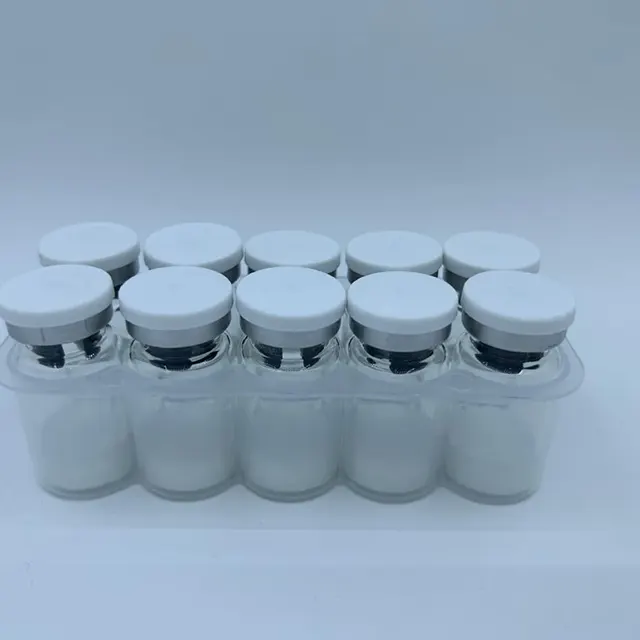
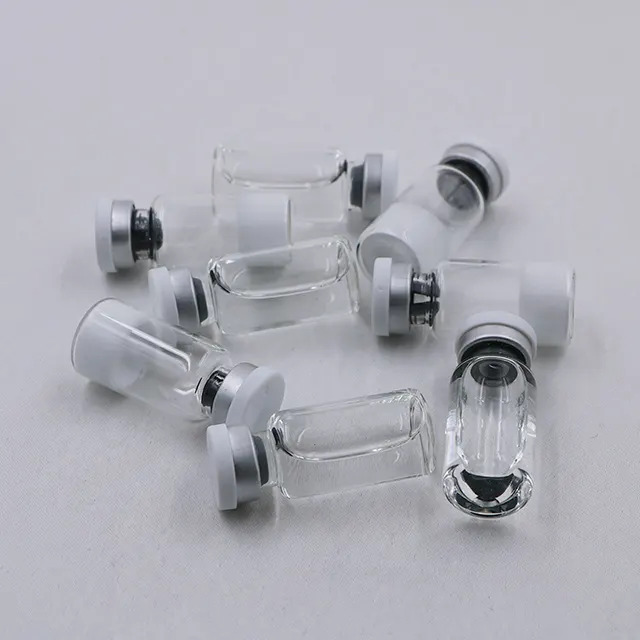
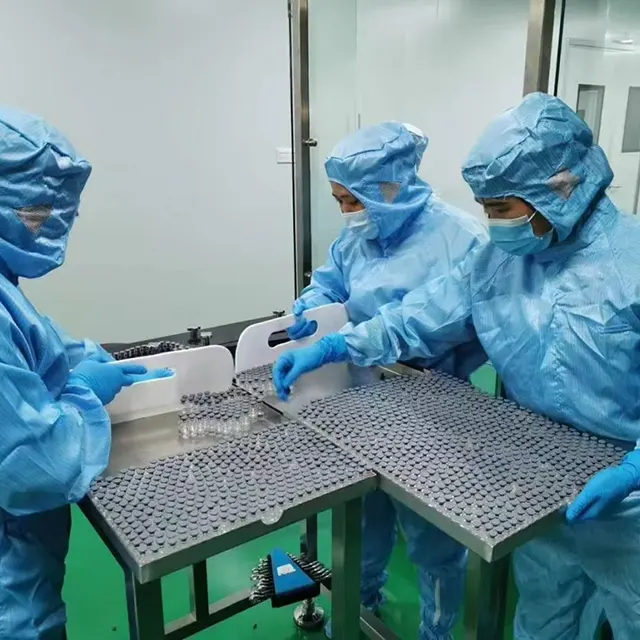

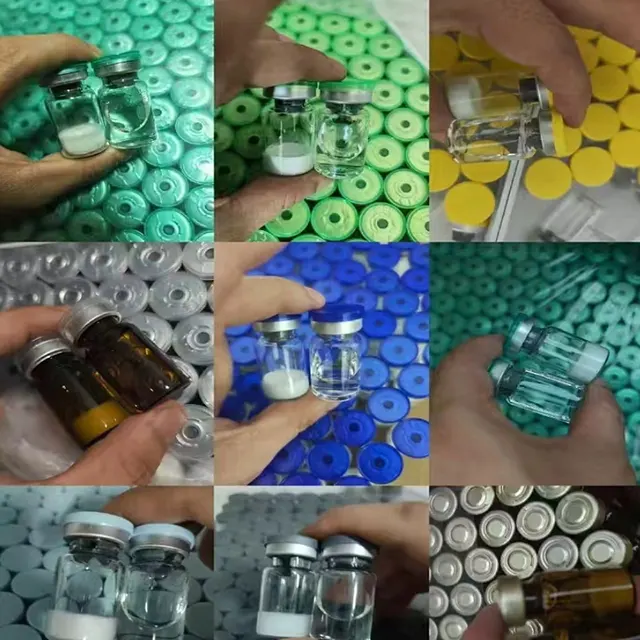
Oxytocin Acetate is the acetate salt form of oxytocin, a naturally occurring peptide hormone involved in reproductive physiology and a range of neuroendocrine processes. The synthetic peptide is commonly investigated in research concerning uterine smooth muscle activity, milk ejection, social interaction and the biological pathways associated with stress responses.
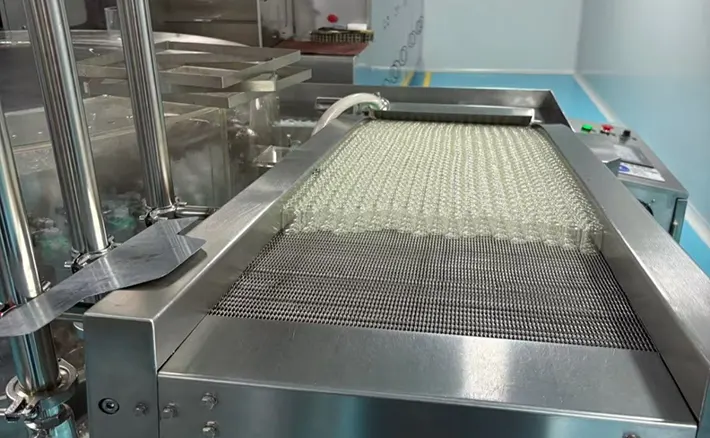
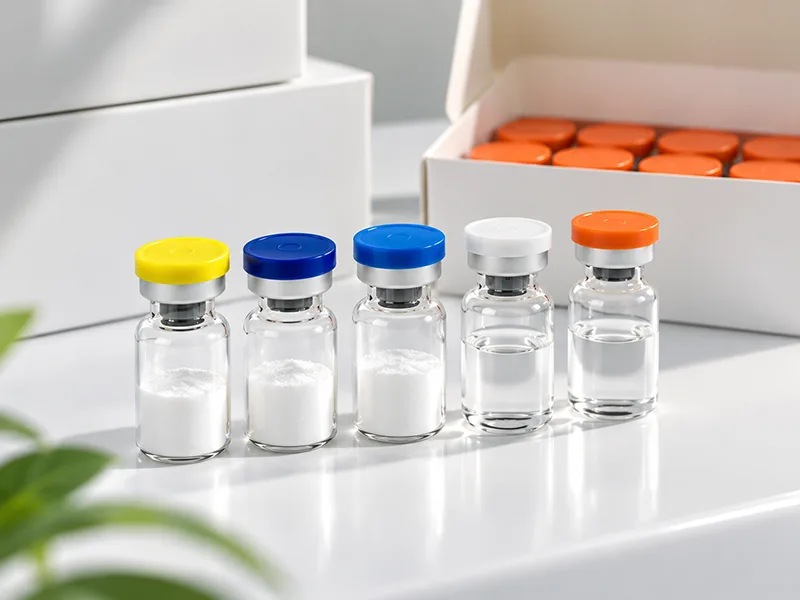
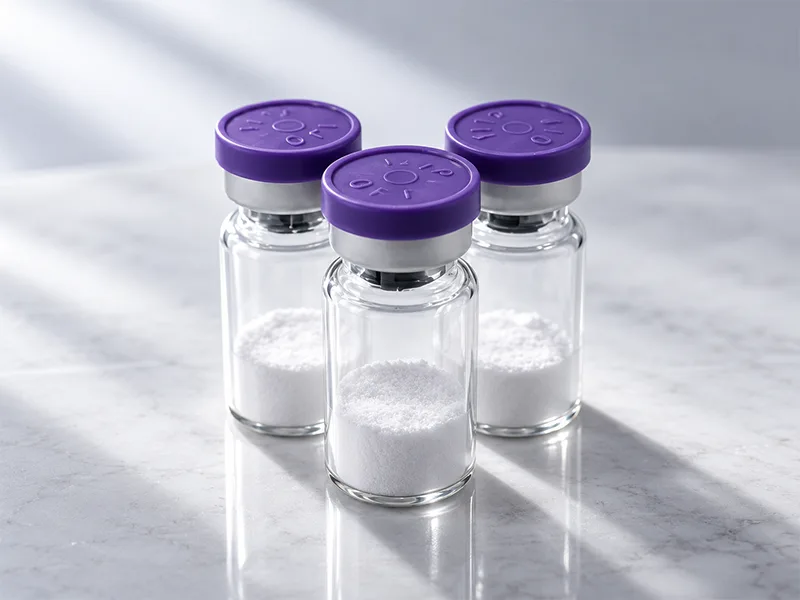
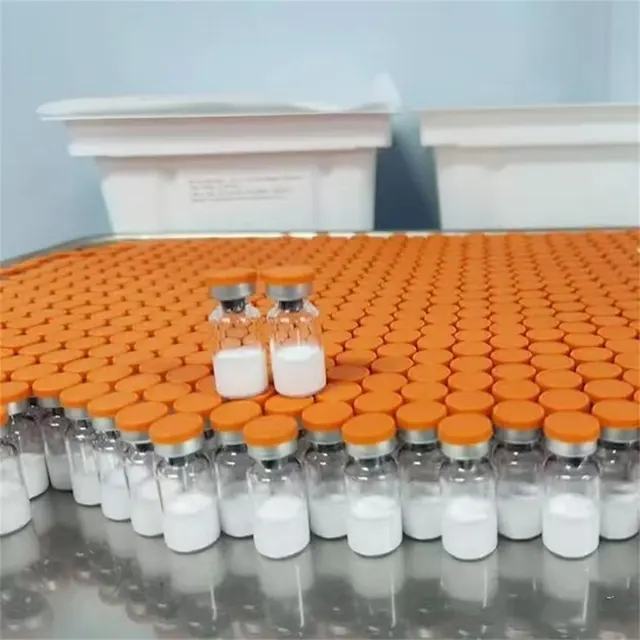
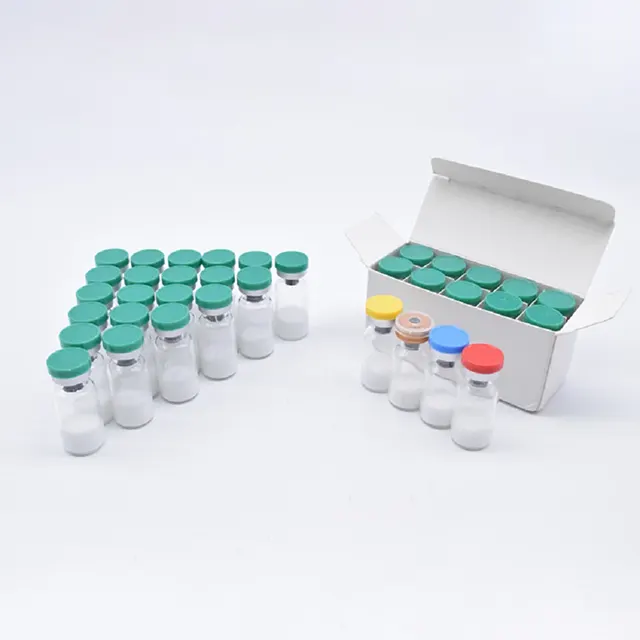
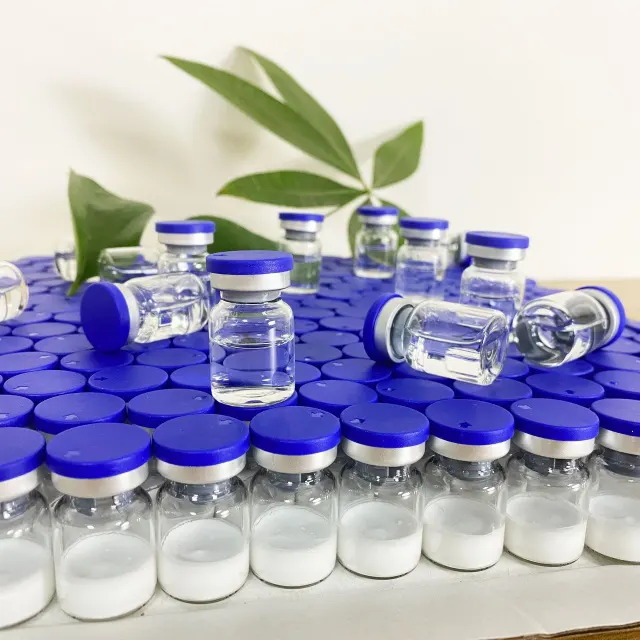
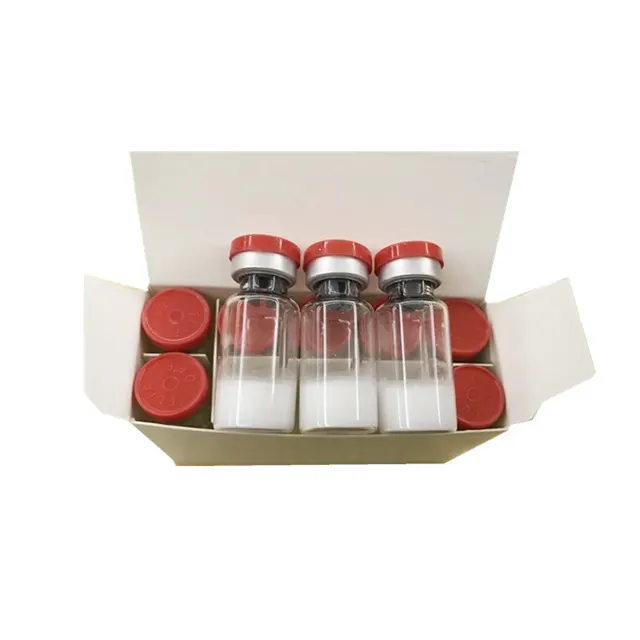
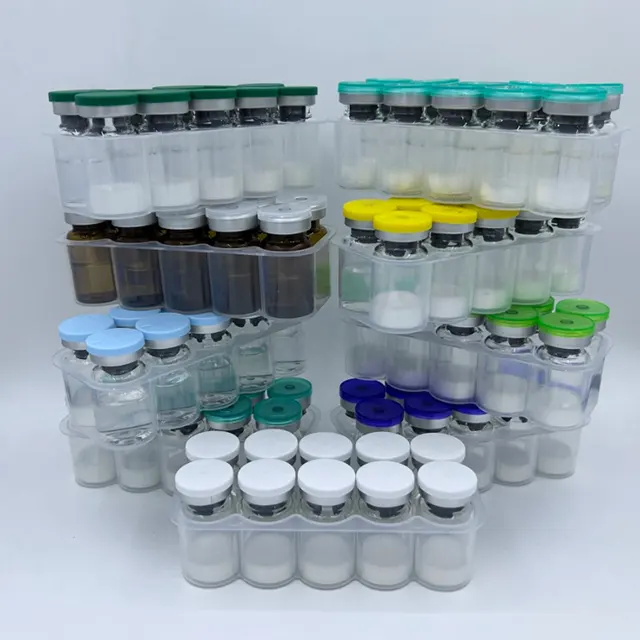
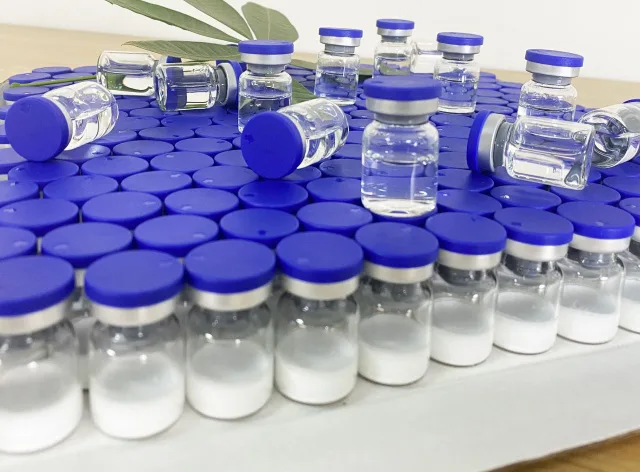
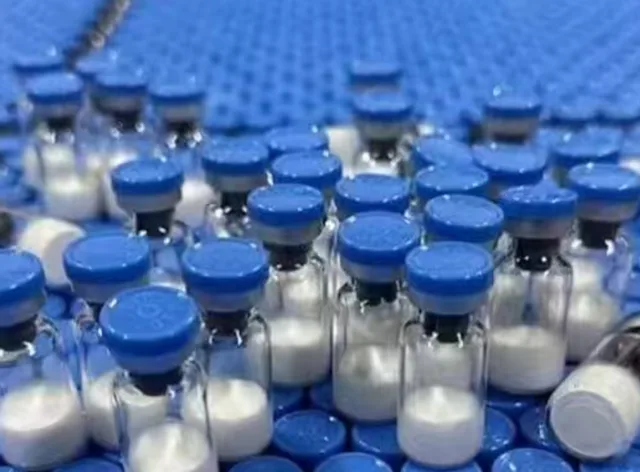
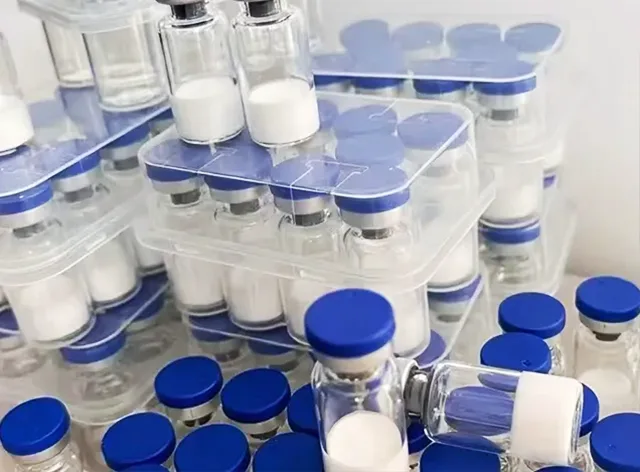
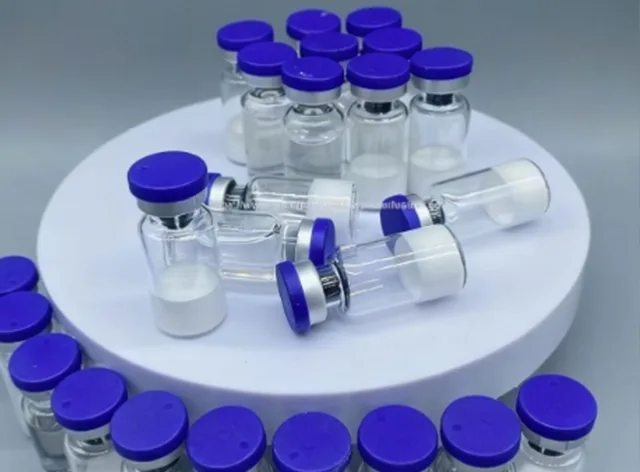
As a lyophilized peptide raw material, Oxytocin Acetate Peptide Lyophilized Powder is supplied as a dry powder rather than a ready-to-use liquid solution. This presentation distinguishes the product from pre-dissolved preparations and allows the material to be handled according to the requirements of the intended research protocol.
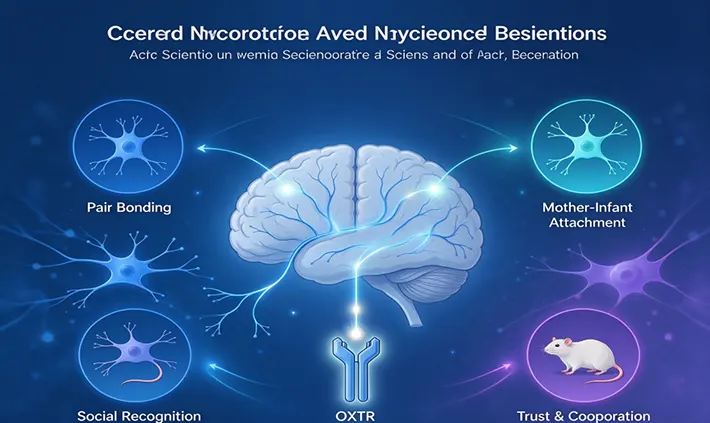
Its research relevance extends beyond reproductive biology. Oxytocin signaling has also been investigated in social recognition, maternal behavior, social attachment and interactions between neuroendocrine and behavioral pathways. Findings can vary by experimental model, route of administration, dosage and study conditions, so individual biological effects should be interpreted within the context of the available evidence.
For research laboratories and biotechnology developers, the key product considerations include its chemical identity, acetate salt form, lyophilized appearance, vial content and verified analytical specifications.
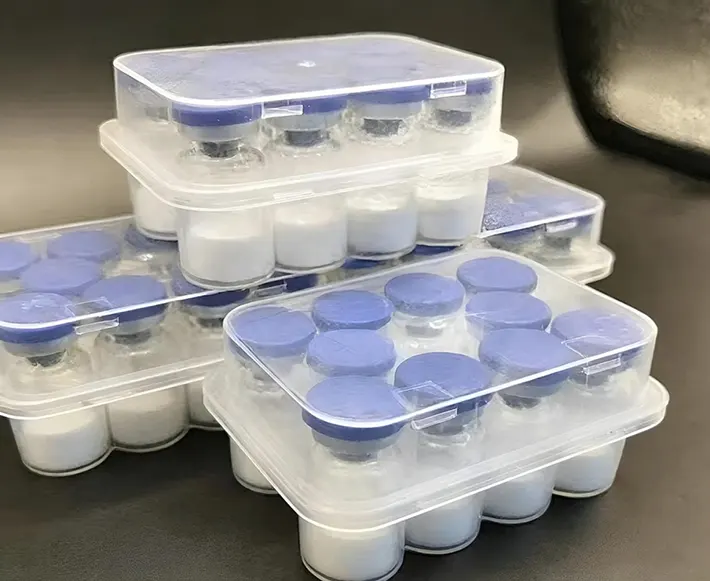
Oxytocin Acetate is a specific synthetic peptide material, not a generic peptide blend. Identifying the acetate salt form clearly helps distinguish it from other oxytocin preparations and unrelated neuropeptide products.
The freeze-dried format provides the peptide in a dry state for storage and subsequent preparation under appropriate laboratory conditions. Unlike a pre-formulated liquid, the material is supplied without a predefined working-solution concentration.
Oxytocin has been studied in reproductive endocrinology, neuroendocrinology and social neuroscience. This breadth of research interest gives the material a clear scientific identity across several related fields without requiring unsupported claims about universal biological effects.
Product quality should be established through appropriate analytical testing rather than appearance alone. Where available, batch-specific documentation can identify the reported purity, analytical method and other applicable quality parameters. HPLC purity should be interpreted alongside the relevant test method and specification.
The listed product options of 2 mg, 5 mg and 10 mg per vial provide different fill quantities for research-material requirements. Each package size should be identified by its actual net peptide content and corresponding product documentation.
Oxytocin Acetate is of particular interest because oxytocin signaling connects peripheral physiological responses with central neuroendocrine and behavioral research. Its research characteristics can be understood through three main areas.
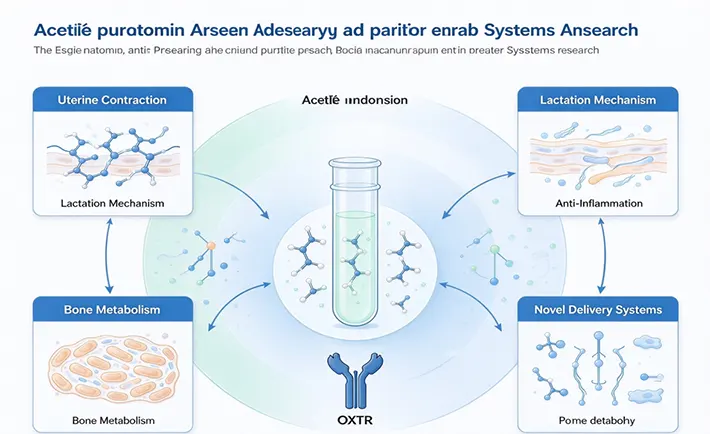
Oxytocin primarily acts through the oxytocin receptor (OXTR), a G protein-coupled receptor involved in several physiological processes. Research may examine receptor activation, downstream signaling and interactions between oxytocin pathways and other neuroendocrine systems.
Oxytocin is associated with uterine smooth muscle contraction and the milk ejection reflex. These established physiological roles form an important basis for research into reproductive function and lactation mechanisms.
Oxytocin signaling has been investigated in social recognition, maternal behavior, social interaction and stress-related responses. Results depend on the experimental context, and behavioral effects should not be assumed to be consistent across species or study designs.
These characteristics make Oxytocin Acetate a relevant research material for investigating peptide signaling across peripheral and central biological systems. They do not, by themselves, establish clinical efficacy for a particular condition.
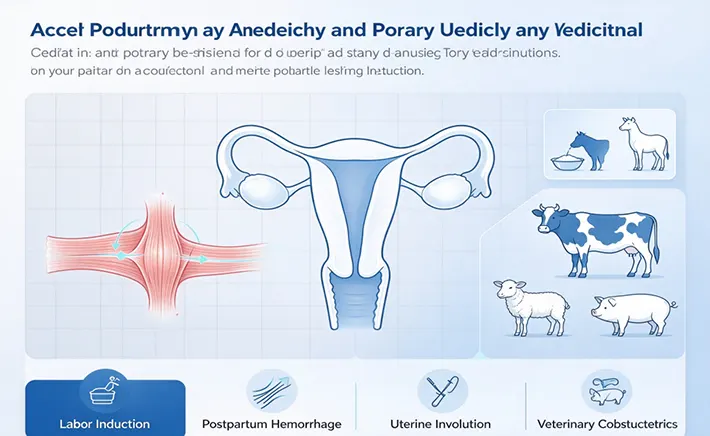
Oxytocin plays a recognized role in uterine contraction and milk ejection. Research involving Oxytocin Acetate may examine uterine smooth muscle responses, reproductive physiology, lactation mechanisms and the signaling pathways associated with these processes.
Potential research topics include:
Oxytocin receptor activity in uterine tissue models.
Mechanisms of smooth muscle contraction.
Mammary myoepithelial cell activity and milk ejection physiology.
Neuroendocrine changes associated with pregnancy and the postpartum period.
Clinical obstetric use involves specific approved medicinal products, quality standards and medical supervision. A research-grade peptide raw material should not be presented as interchangeable with an approved clinical formulation.
Oxytocin has been investigated in studies of social behavior and interpersonal interaction, particularly in experimental animal models. Research may explore how oxytocin-related signaling participates in social recognition, attachment and responses to social cues.
Relevant topics include:
Social recognition and memory.
Maternal behavior and mother–offspring interaction.
Pair-bonding behavior in suitable animal models.
Social approach, cooperation and responses to social stimuli.
The direction and magnitude of observed effects can depend on species, sex, prior experience, dose and experimental conditions. Oxytocin should therefore not be described as universally increasing trust, empathy or prosocial behavior.
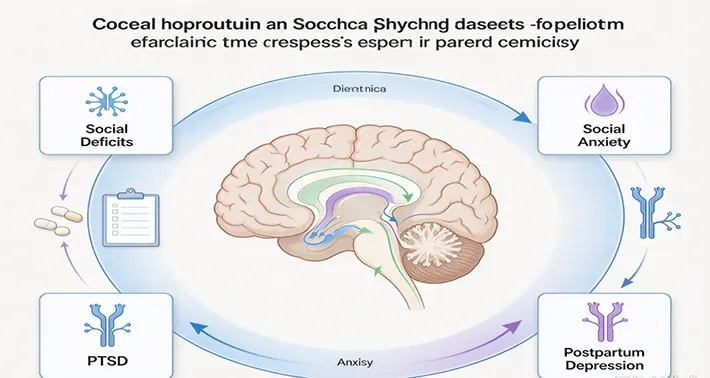
Oxytocin signaling has been studied in relation to the hypothalamic–pituitary–adrenal (HPA) axis and other systems involved in stress responses. Oxytocin Acetate may be used in experimental work investigating the interactions between neuroendocrine signaling, environmental stressors and behavioral responses.
Research topics may include:
Interactions between oxytocin signaling and the HPA axis.
Hormonal responses under defined experimental stress conditions.
Relationships between neuroendocrine activity and social behavior.
Receptor-mediated mechanisms involved in stress-related responses
Effects on cortisol, anxiety-related behavior or fear responses should be treated as research questions rather than guaranteed outcomes.
The oxytocin receptor provides a defined molecular target for receptor pharmacology and signal-transduction research. Studies may investigate receptor activation, downstream cellular responses and interactions with related signaling pathways.
Potential areas include:
OXTR-mediated cellular signaling.
Receptor expression and functional response in experimental models.
Comparative studies of peptide-mediated signaling.
Interactions between oxytocin and related neuroendocrine pathways.
Studies involving vasopressin receptors or cross-receptor activity require appropriate experimental evidence and should not be inferred solely from the peptide's identity.
Oxytocin-related signaling has also been investigated in selected preclinical studies involving inflammatory responses, tissue repair, pain-related pathways and bone biology. These remain distinct research areas, and the strength of evidence varies across models and experimental endpoints.
Oxytocin Acetate may be relevant to exploratory studies examining:
Cellular inflammatory signaling under defined conditions.
Wound-healing and tissue-repair mechanisms.
Bone-cell differentiation and associated pathways.
Visceral pain and neuroimmune interactions.
Claims that the peptide directly inhibits specific inflammatory factors, reduces oxidative damage or accelerates tissue repair should only be made when supported by suitable evidence for the specific model and experimental conditions.
Oxytocin Acetate Peptide Lyophilized Powder should be stored and handled according to its validated product documentation. Peptide stability can be affected by temperature, moisture, light exposure, solution composition and handling conditions.
Lyophilized material: Keep the vial sealed and protect it from moisture and unnecessary light exposure.
Temperature: Use the validated storage temperature. The original draft specifies −20°C; retain this condition only if it is confirmed for the supplied product.
After reconstitution: Follow the relevant research protocol and available solution-stability data. Avoid repeated freeze–thaw cycles where these may compromise material integrity.
Preparation: Select a suitable aqueous solvent or buffer based on the intended experimental procedure and the material's compatibility information.
Shelf life: The original draft lists 12 months. Publish this period only when supported by the applicable stability specification.
Oxytocin Acetate is the acetate salt form of oxytocin, a synthetic cyclic nonapeptide research peptide. It is supplied as white to off-white lyophilized powder. It binds to OXTR and AVPR1A receptors, widely used for reproductive physiology, social neuroscience and neuropsychiatric preclinical research.
The active peptide molecule is the same. Oxytocin Acetate is the acetate counterion form. The acetate salt improves water solubility and chemical stability for lyophilized storage and laboratory operation.
≥99% purity tested by HPLC.
It can be dissolved in sterile water or aqueous buffer. Recommended reconstitution concentration ≥10 mg/mL. Do not vortex violently. Gentle swirling is suggested. The optimal pH for solution stability is around
Store lyophilized powder at -20°C, keep away from light and moisture. Avoid repeated freeze-thaw cycles after reconstitution. Shelf life is 12 months under recommended storage. Reconstituted solution is unstable and better prepared freshly for each experiment.
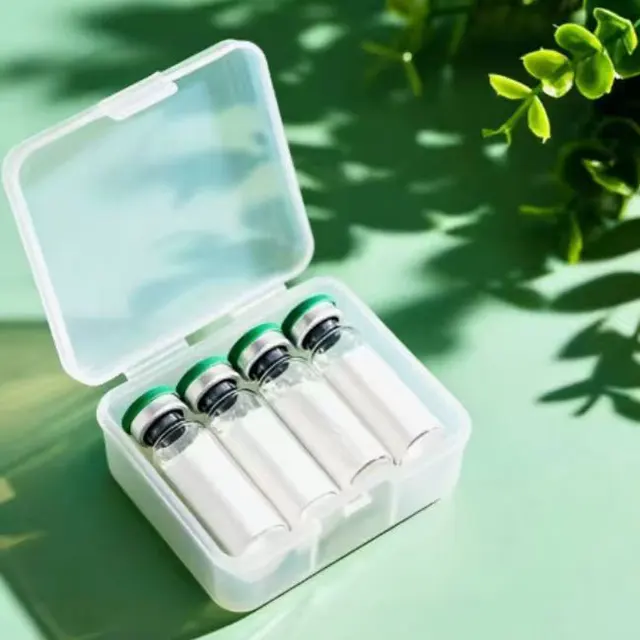
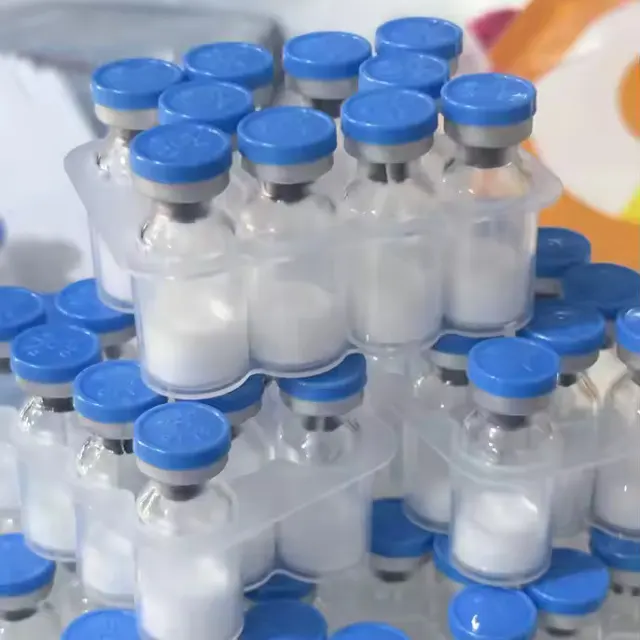
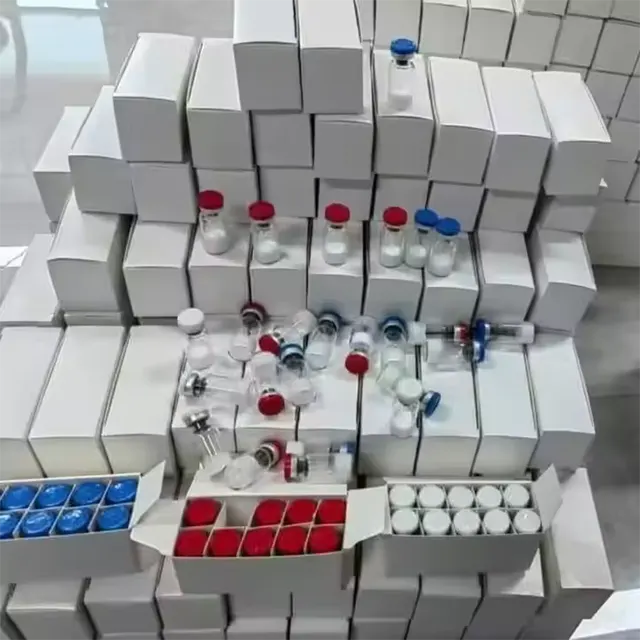
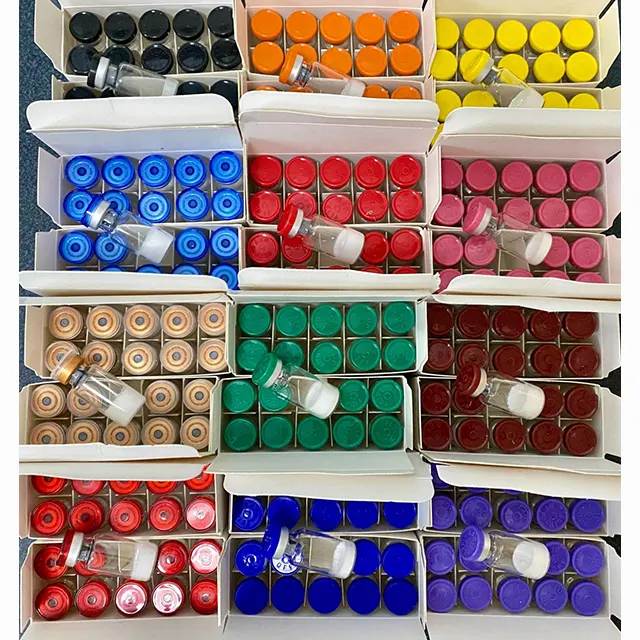
Standard packs: 2mg, 5mg, 10mg per vial. Custom bulk orders are acceptable.
It is used in reproductive endocrinology, social neuroscience, neuropsychiatric preclinical, inflammation and wound healing research. It also supports novel drug delivery system development.
Most items are in stock. Small packages can be shipped within 3–5 working days. Bulk order lead time depends on quantity.
Address
No. 1599, Pingzhuang West Road, Fengxian District, Shanghai City, China
Tel