English

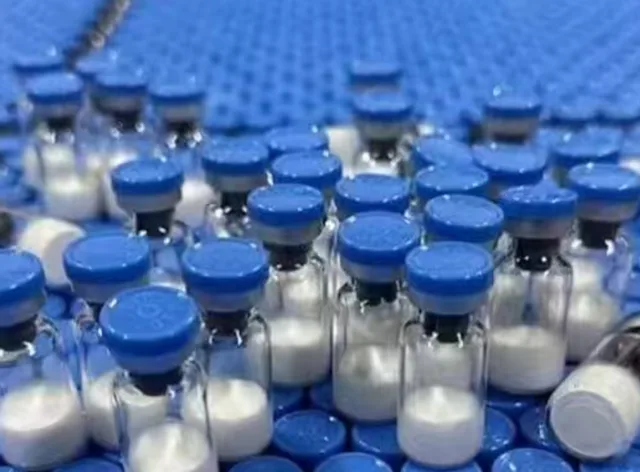
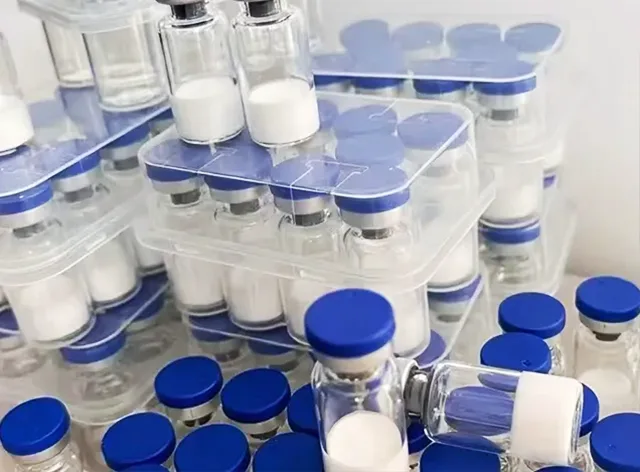
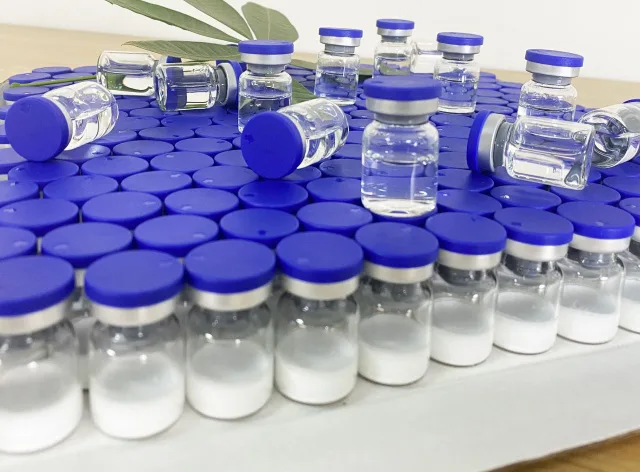
Cosmetic Peptides are short-chain amino acid sequences used in skin care, hair care, and personal care formulations to support appearance-focused benefits such as hydration, firmness, smoothness, and overall skin comfort. As a specialty ingredient category, it requires more than a generic purity claim. Formulators need reliable identity, consistent batch quality, clear solubility guidance, and documentation that supports global product development. JinBei supplies cosmetic peptides with batch-specific specifications, HPLC and MS identity support, and scalable packaging for laboratory trials through commercial production。
JinBei supports cosmetic peptide projects from early feasibility through commercial supply. Standard products are available from stock for rapid sampling, while custom sequences and peptide blends can be produced against agreed specifications. The team provides practical support for scale-up, packaging selection, and documentation review.
| Item | JinBei Details |
|---|---|
| Standard pack sizes | 1 g, 5 g, 10 g, 100 g, 1 kg; bulk quantities available |
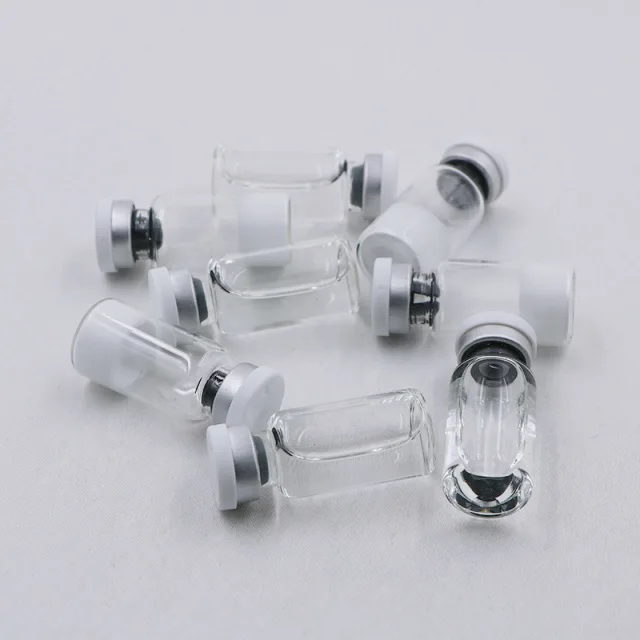
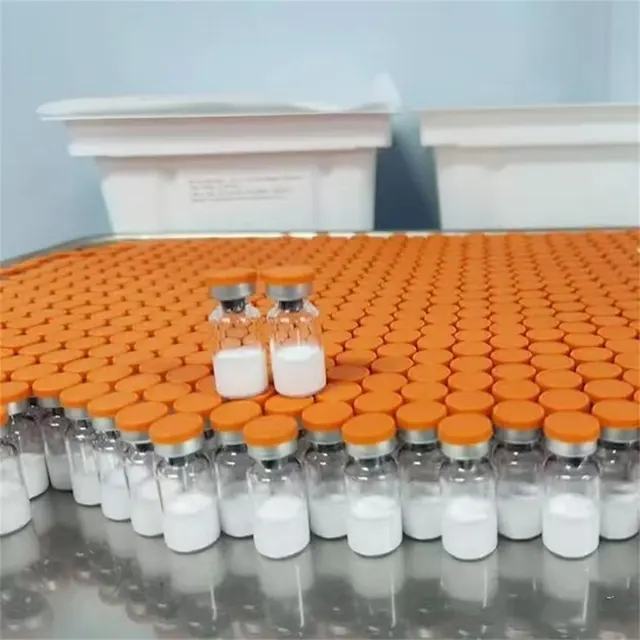
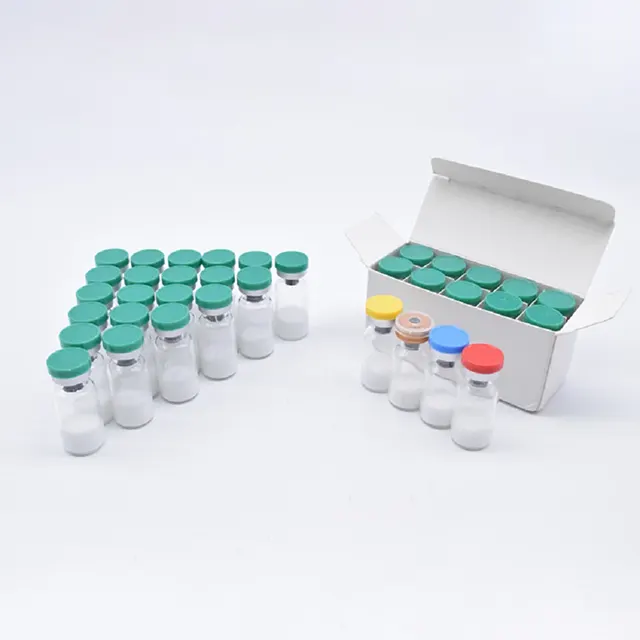
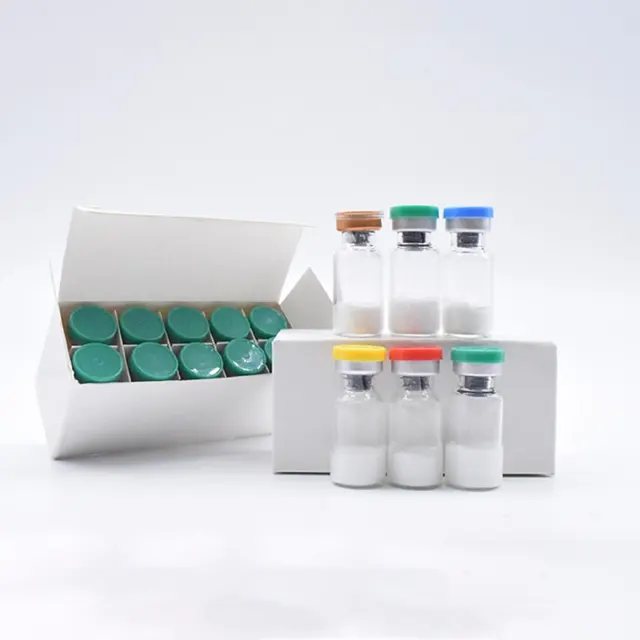
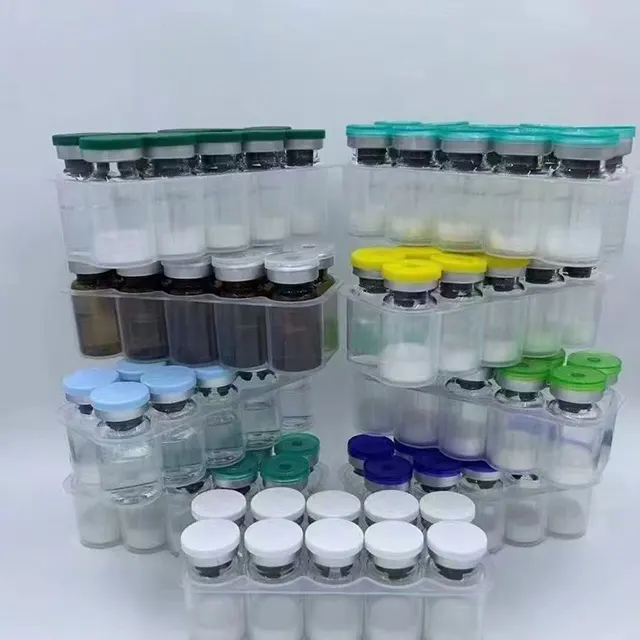
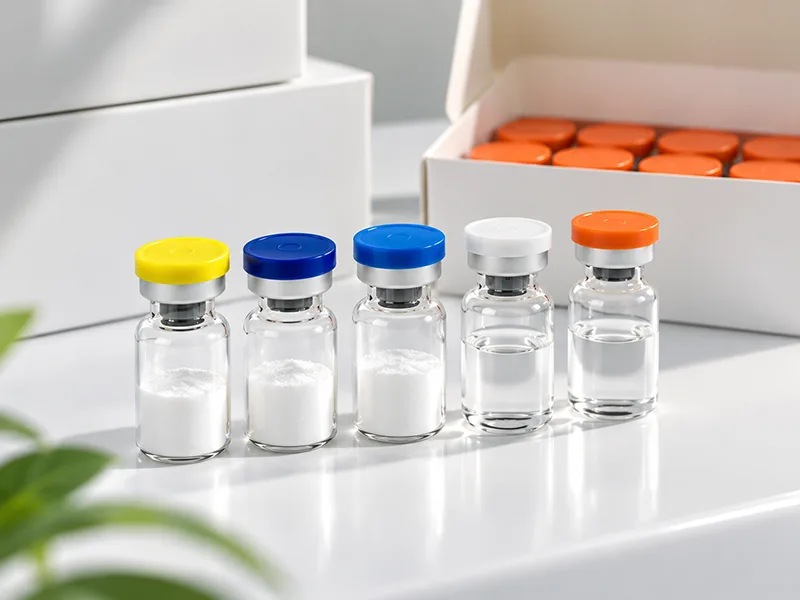
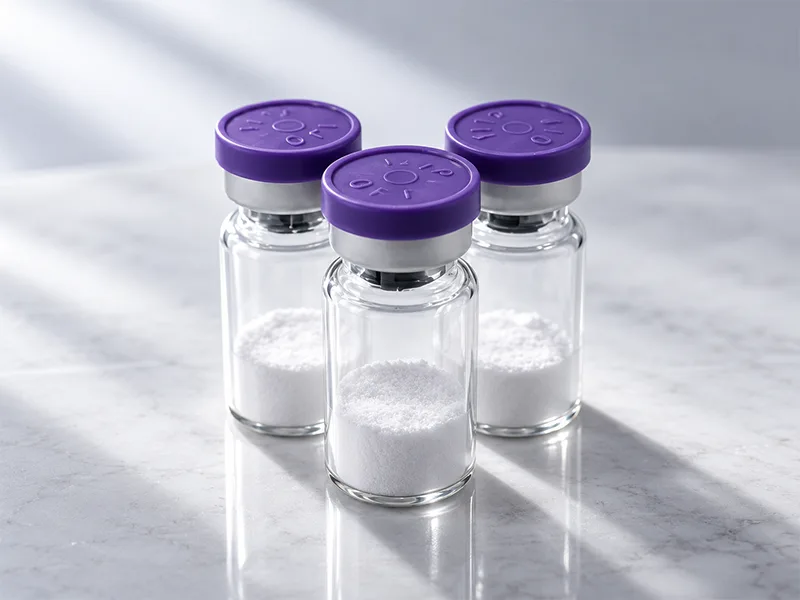
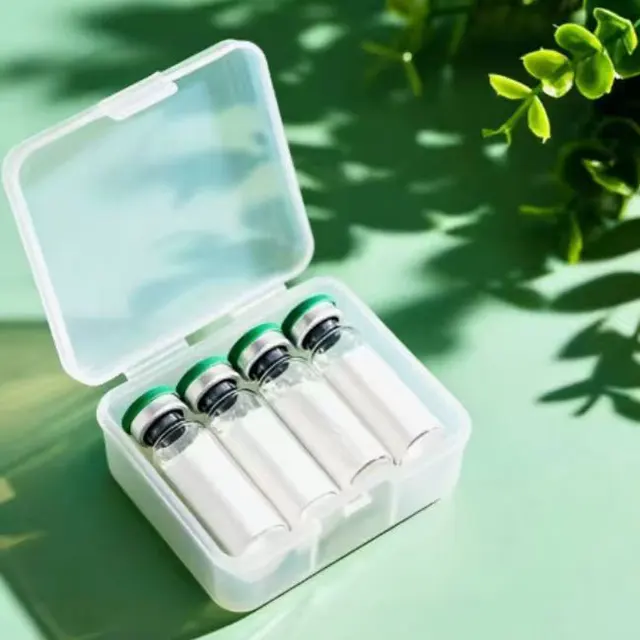
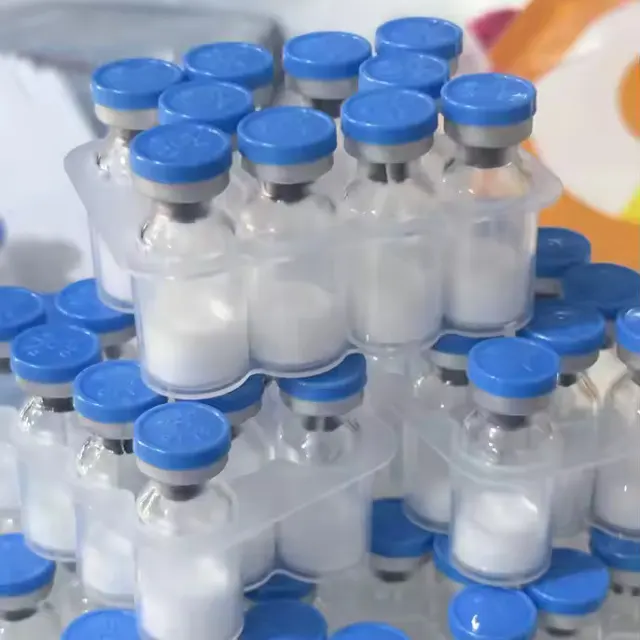
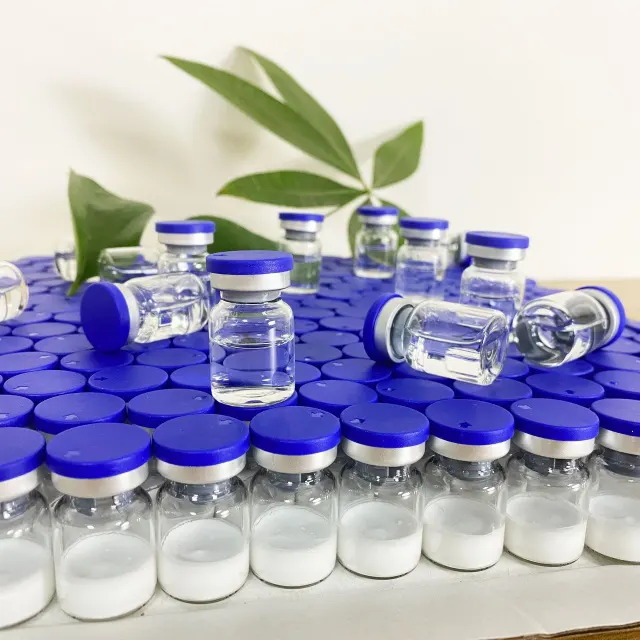
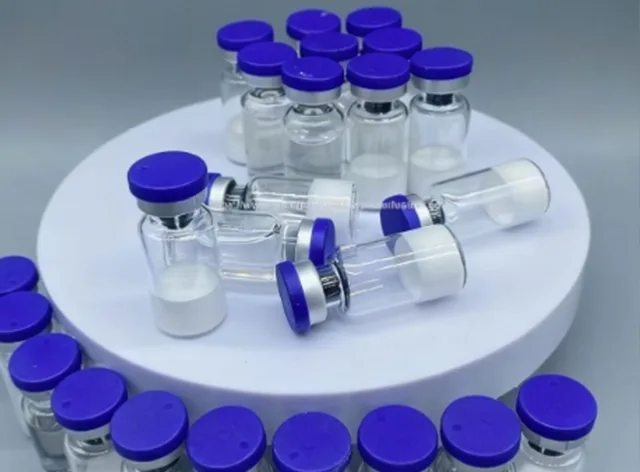
| Primary packaging | Amber glass vial or vacuum-sealed aluminum foil bag |
| Storage condition | -20°C long term; 2°C–8°C short term; protect from light and moisture |
| Shipping condition | Ambient or refrigerated shipping depending on product and destination |
| Documentation | COA, MSDS, specification sheet, HPLC, MS, and microbial report |
| Minimum order quantity | 1 g for standard samples; commercial MOQ confirmed by product |
| Lead time | Stock items ship quickly; custom products quoted by project scope |
Q: What purity grades does JinBei offer?
A: JinBei standard cosmetic peptides are available at ≥95% and ≥98% by HPLC, and higher purity or custom specifications can be quoted for projects that require tighter limits, specific counterions, or additional analytical testing.
Q: Can cosmetic peptides be used with vitamin C, retinol, or acids?
A: Compatibility varies by peptide and formula. Some peptides are stable in low-pH systems, while others perform better at pH 4.5–6.5. JinBei recommends evaluating the specific peptide with vitamin C, retinol, alpha hydroxy acids, chelators, and electrolytes in a finished-formula stability study before making compatibility claims.
Q: What is the recommended pH for peptide formulations?
A: Many JinBei cosmetic peptides are formulated at pH 4.0–6.5, but the optimal range depends on the peptide sequence, salt form, and delivery system; formulators should use the product specification as the starting point and confirm pH, viscosity, color, and odor over the intended shelf life.
Q: Are JinBei peptides tested for heavy metals and microbial contamination?
A: Yes. Standard JinBei release testing includes heavy metals at ≤10 ppm and microbial limits such as total aerobic count ≤100 CFU/g, yeast and mold ≤10 CFU/g, and absent specified pathogens; additional tests can be added for custom projects.
Q: Can JinBei supply custom peptide sequences and blends?
A: Yes. JinBei can discuss custom sequences, salt forms, purity targets, peptide blends, lyophilized powders, and pre-dissolved solutions for qualified projects; the team reviews sequence feasibility, analytical requirements, packaging, and scale-up needs before quoting.
Q: What documentation is provided with each order?
A: JinBei provides a batch-specific Certificate of Analysis, Material Safety Data Sheet, specification sheet, HPLC chromatogram, mass spectrometry report, and microbial report; additional documentation such as retest guidance or custom analytical data can be arranged based on the product and project requirements.
Q: What is the minimum order quantity for JinBei cosmetic peptides?
A: Standard sample quantities can start at 1 g, while commercial minimum order quantities depend on the peptide, purity, packaging format, and customization level; JinBei confirms MOQ, lead time, and shipping terms during quotation so procurement teams can plan sampling and production accurately.