English

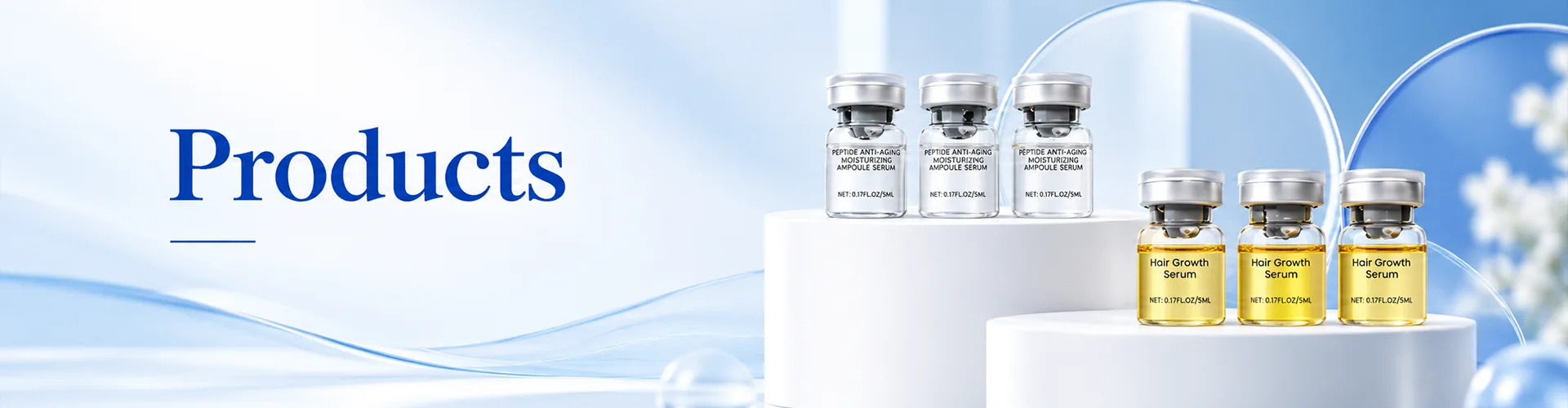
JinBei supplies high-purity Copper Peptides for cosmetic, research, and formulation development teams that need consistent quality, clear documentation, and reliable batch-to-batch performance. Our copper peptide materials are produced under controlled conditions, tested by independent analytical methods, and packed for stable storage and international shipping.
Copper peptides are short peptide sequences bound to copper ions. The most widely recognized member of this family is GHK-Cu, also known as copper tripeptide-1. In cosmetic and research applications, copper peptides are valued for their ability to support skin conditioning, moisture balance, and the appearance of firmness. JinBei offers copper peptide powders and solution formats with documented purity, copper content, and solubility profiles. Each lot is accompanied by a certificate of analysis, and additional documentation such as MSDS and specification sheets is available on request.
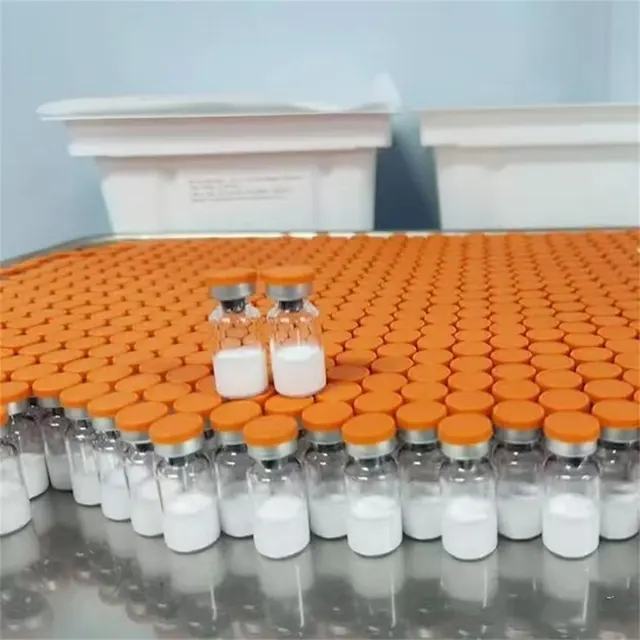
JinBei focuses on reproducible manufacturing rather than one-off sample quality. Raw materials are sourced from qualified suppliers, synthesis and purification steps are monitored against established specifications, and finished lots are tested for identity, assay, appearance, solubility, and microbial limits. This approach helps formulators reduce variability when scaling from bench samples to pilot batches and commercial production.
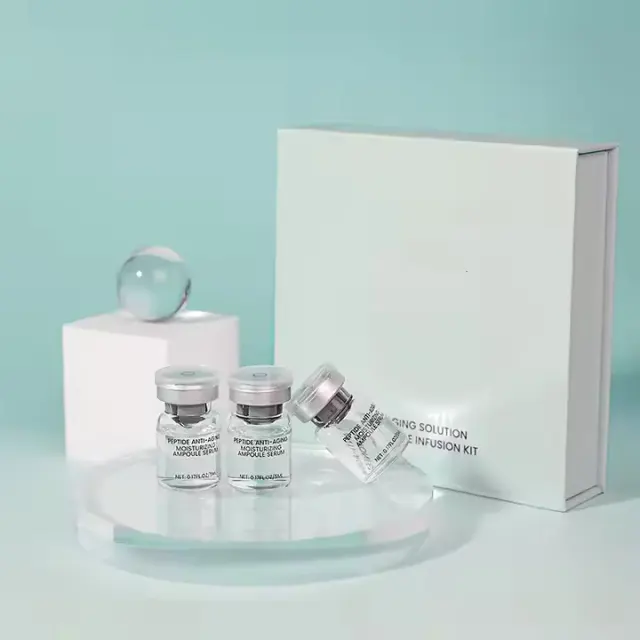
Copper peptides are used in topical cosmetic formulations and laboratory research. In cosmetic systems, they are commonly included in anti-aging serums, repair creams, eye products, post-cleansing treatments, and scalp care formulas.
Recommended use levels vary by formula, claim strategy, and regulatory market. JinBei recommends starting with a low inclusion level and confirming stability, pH, appearance, and preservative efficacy in the final system. For cosmetic applications, typical evaluation ranges are often below 1% on a powder basis, but the final level should be established through bench trials and local regulatory review.
JinBei is structured for buyers who need transparent specifications and responsive technical communication. Our team supports sample evaluation, specification review, documentation requests, packaging selection, and scale-up planning. We understand that copper peptide quality is not only about assay; color, solubility, copper content, and batch consistency also influence formulation outcomes.
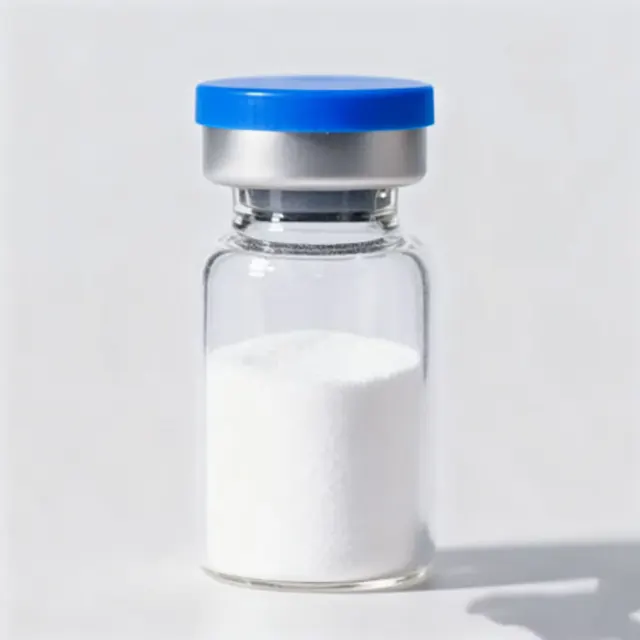
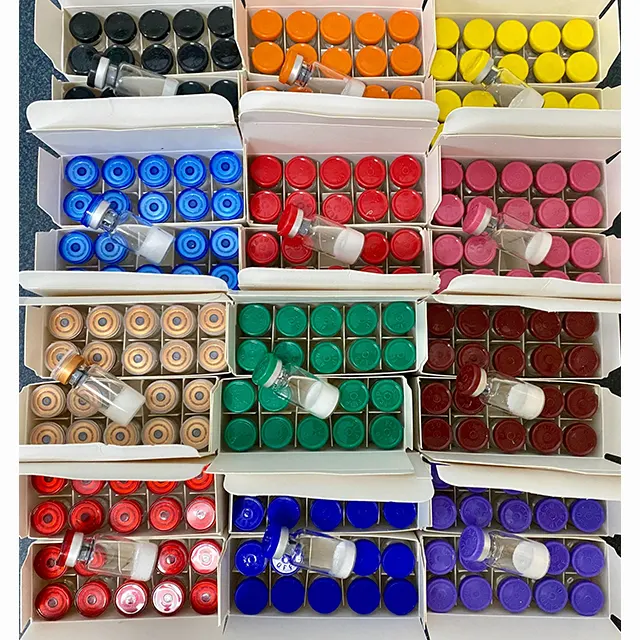
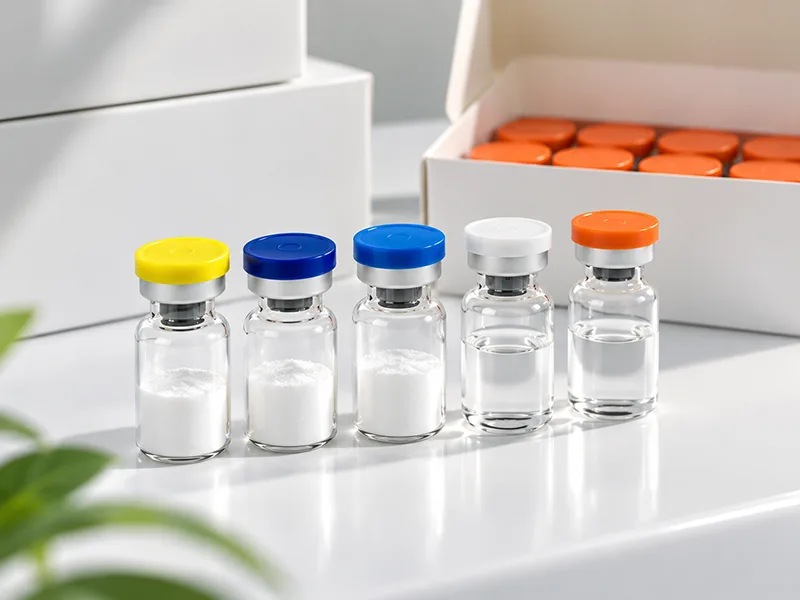
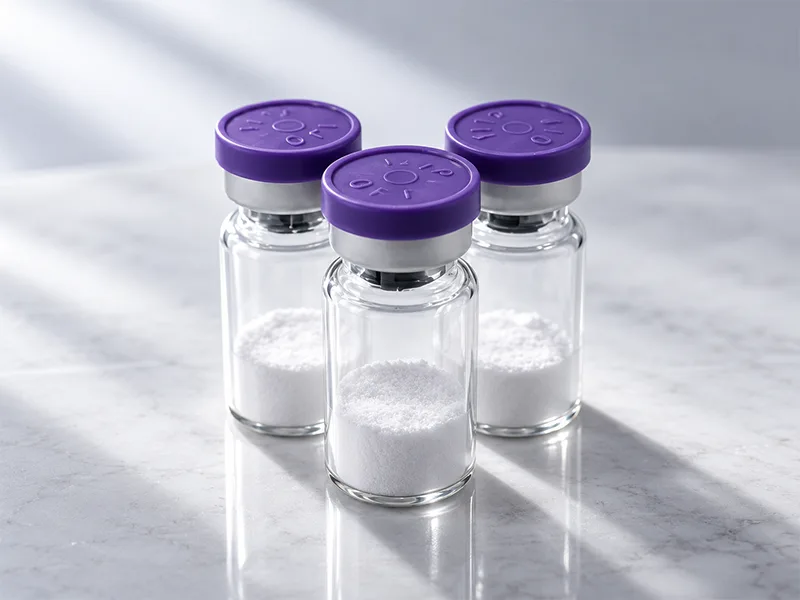
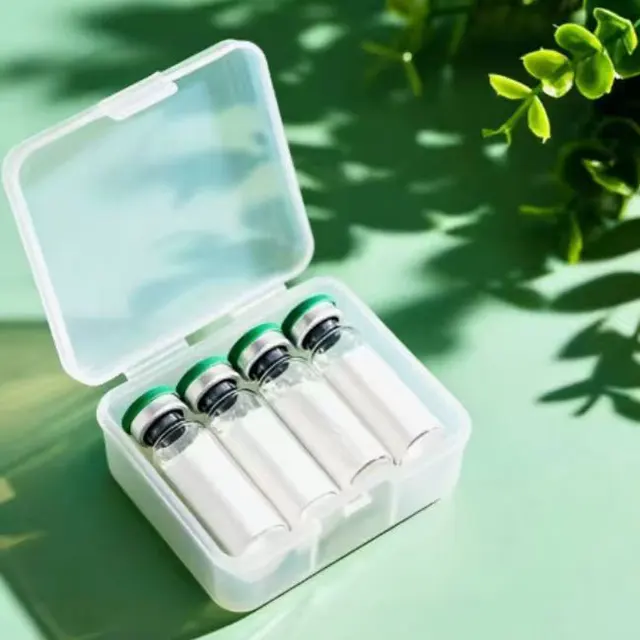
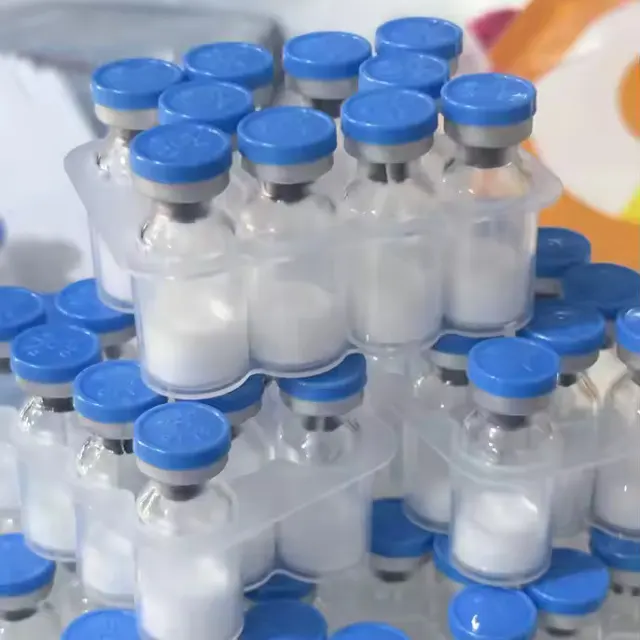
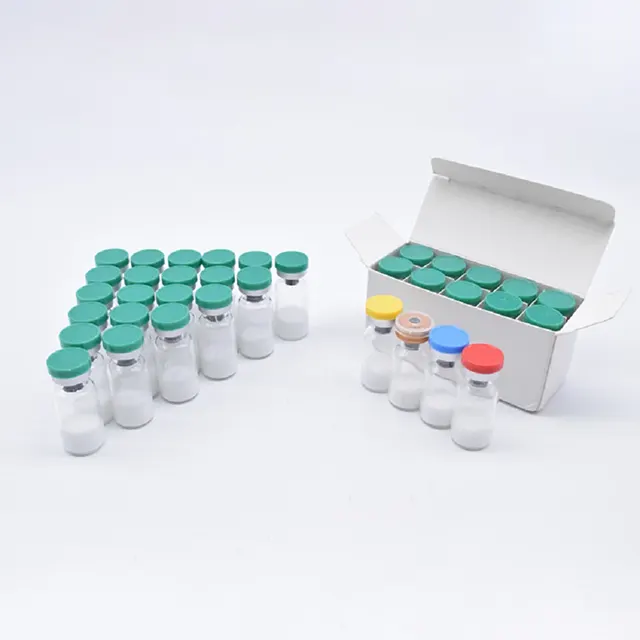
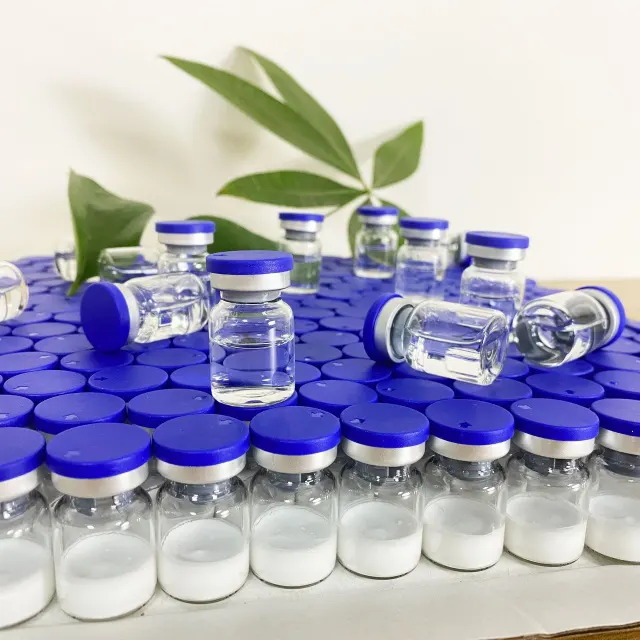
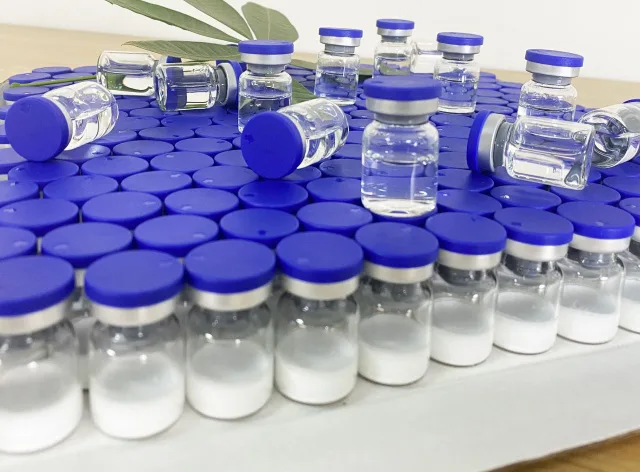
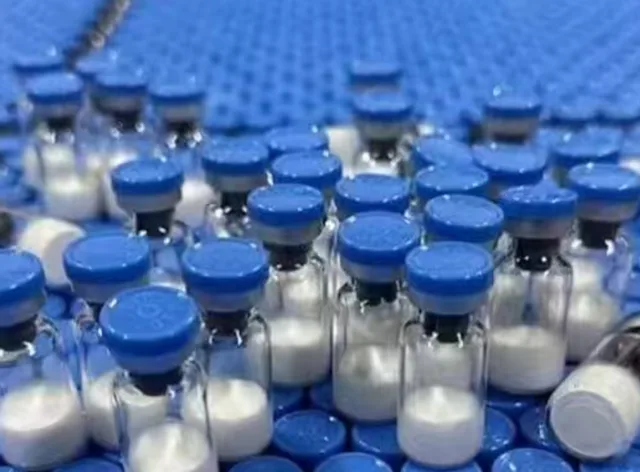
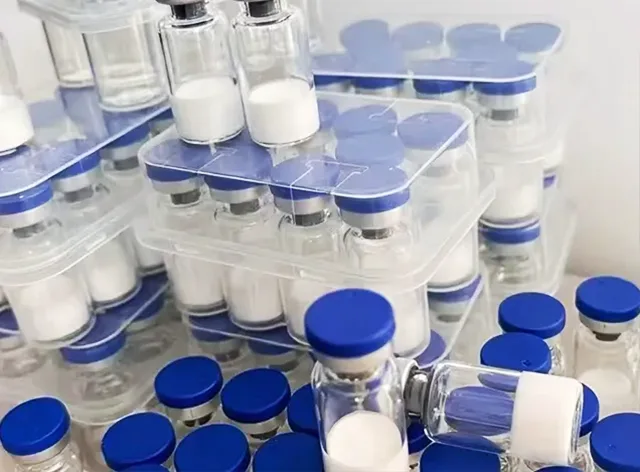
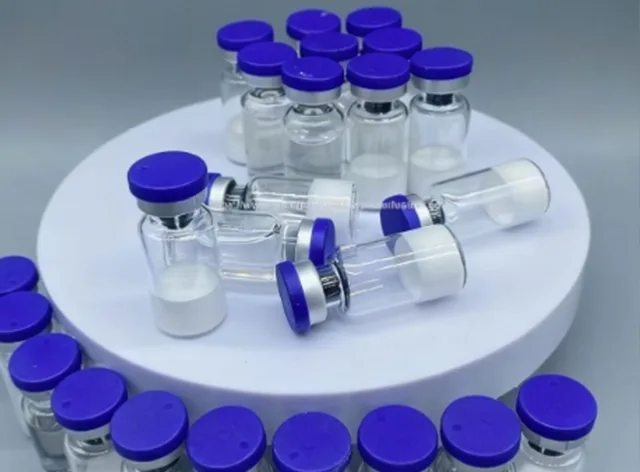
Copper peptides are sensitive to moisture, light, and repeated temperature changes. JinBei packs materials in sealed containers that protect the powder during storage and transport. Buyers should keep containers closed, store under recommended conditions, and allow containers to reach room temperature before opening to reduce condensation. For solution formats, shorter storage windows and cold-chain review may be required.
| Item | Recommendation |
|---|---|
| Powder storage | 2–8°C, desiccated, protected from light |
| Solution storage | Cold storage with stability data; avoid repeated freeze-thaw |
| Opening procedure | Equilibrate sealed container to room temperature before opening |
| Handling | Use clean, dry tools; avoid moisture introduction |
| Shipping | Sealed packaging with temperature and light protection as required |
| Retest or shelf life | 24 months typical for unopened powder under recommended storage |
Q: What is the difference between GHK-Cu and copper tripeptide-1?
A: GHK-Cu and copper tripeptide-1 generally refer to the same copper peptide complex in commercial cosmetic materials. GHK is the tripeptide sequence glycine-histidine-lysine, and Cu indicates the bound copper ion. Suppliers may use either name on specification sheets, certificates of analysis, or marketing documents. For procurement, confirm the CAS number, peptide sequence, assay method, and copper content rather than relying only on the product name. JinBei lists these details in the product specification and batch COA to avoid ambiguity.
Q: What pH range is recommended for copper peptide formulations?
A: JinBei typically recommends evaluating copper peptides in a mildly acidic to neutral pH range, with a 1% aqueous solution often falling around pH 5.5–7.0. Final formulation pH should be confirmed through stability testing because other ingredients, preservatives, and thickeners can shift pH and affect peptide stability. Avoid highly alkaline systems unless compatibility has been demonstrated. If pH adjustment is needed, add it carefully during the cool-down phase and recheck appearance and assay where appropriate.
Q: How should copper peptide powder be stored?
A: Store unopened copper peptide powder at 2–8°C, protected from light and moisture. Keep the container tightly closed and avoid repeated temperature cycling. Before opening, allow the sealed container to equilibrate to room temperature to reduce condensation on the powder. Use clean, dry tools and avoid introducing water into the stock container. For solution formats, follow the specific storage instructions provided with the batch, and avoid repeated freeze-thaw cycles unless stability data support that practice.
Q: What documentation does JinBei provide?
A: JinBei provides a certificate of analysis for each lot, a material safety data sheet, and a product specification sheet. The COA includes lot number, product name, appearance, assay, test methods, and specification limits. Additional documentation such as heavy metal testing, microbial results, or custom analytical reports can be arranged for qualified projects. Buyers should review the COA against their internal specifications before releasing material for production or laboratory use.
Q: Can JinBei provide custom specifications or private label support?
A: Yes. JinBei can discuss custom specifications, packaging formats, and documentation requirements for qualified projects. Custom support may include selected assay ranges, packaging sizes, labels, and batch documentation. Because copper peptide materials are sensitive to handling and storage, custom projects are reviewed for technical feasibility before quotation. Buyers should provide the intended application, target market, required documentation, and expected order volume so JinBei can confirm the appropriate grade and supply plan.
Q: How should formulators evaluate copper peptide compatibility?
A: Begin with a simple aqueous solution to confirm appearance, pH, and solubility. Then evaluate the peptide in the intended base formula at the proposed use level. Check color, clarity, pH, viscosity, and odor after preparation and during accelerated storage. Review compatibility with preservatives, chelating agents, antioxidants, and active ingredients. Because copper ions can interact with some raw materials, bench trials are more reliable than theoretical compatibility alone. JinBei recommends documenting each trial and confirming the final formula under the intended storage conditions.
Q: How does JinBei control batch-to-batch consistency?
A: JinBei controls consistency through qualified raw materials, documented production parameters, in-process checks, and finished lot testing. Each batch is assigned a lot number for traceability and tested against the agreed specification. Appearance, assay, pH, moisture, solubility, and microbial limits are reviewed before release. When a project requires tighter limits, additional testing or custom specifications can be discussed. Buyers are encouraged to review the COA and retain samples for comparison during incoming inspection.