English

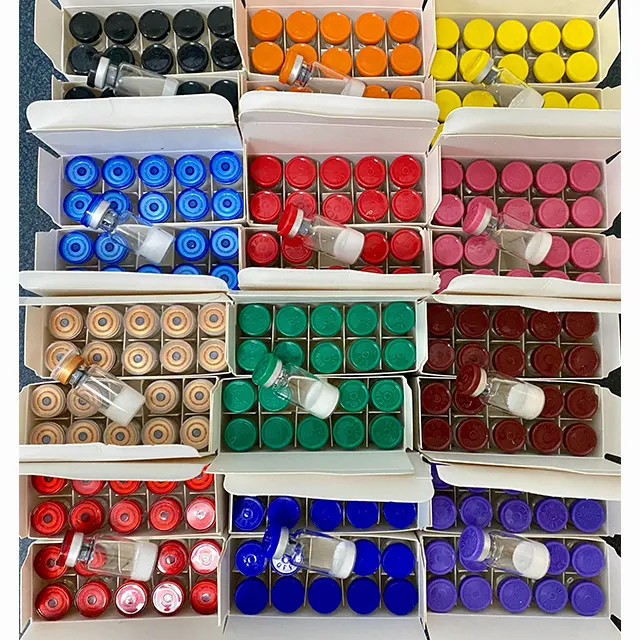
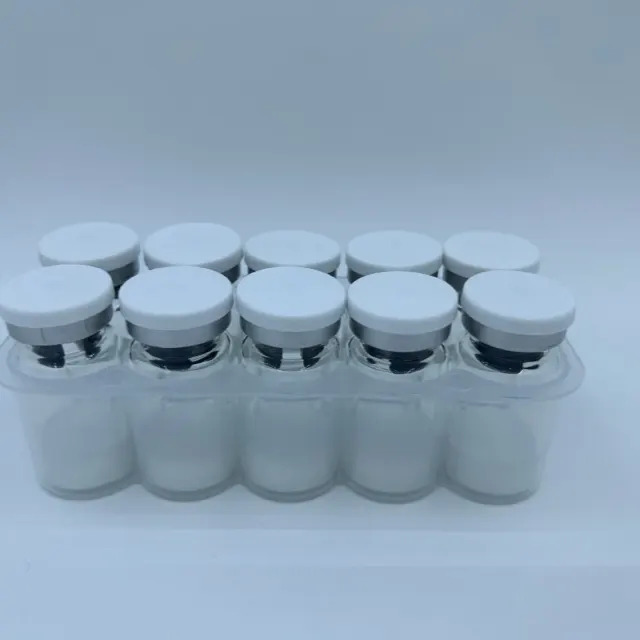
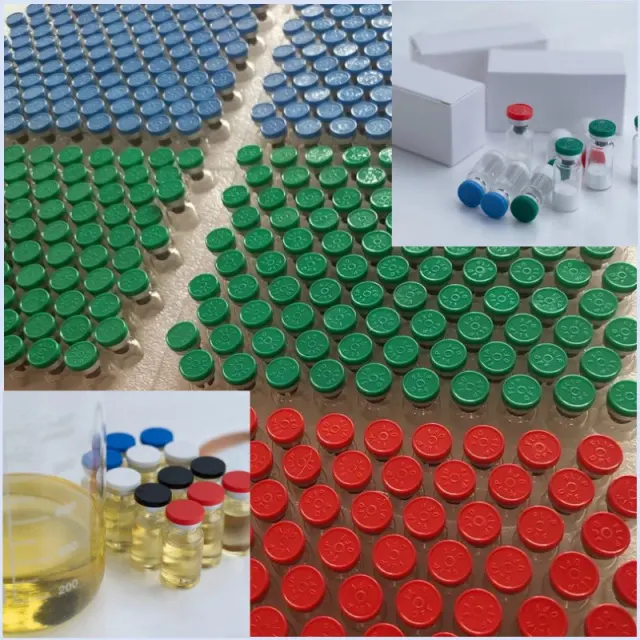
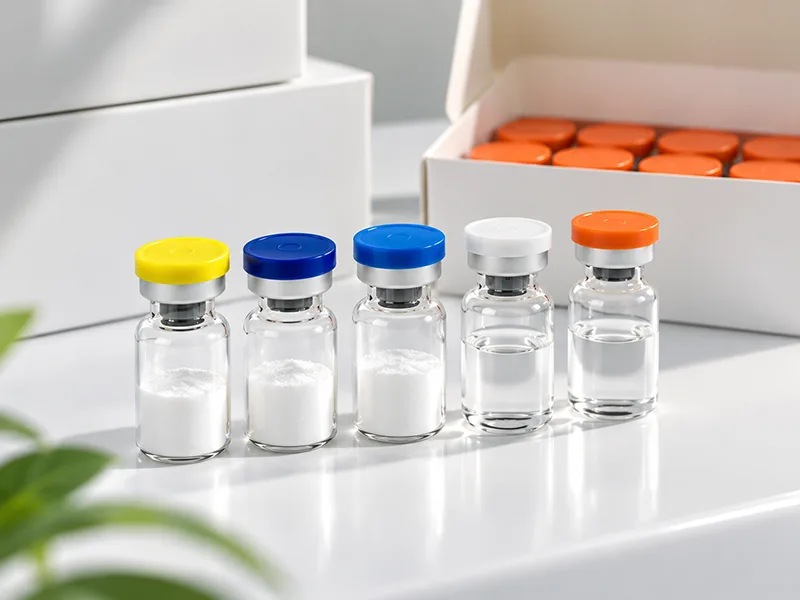
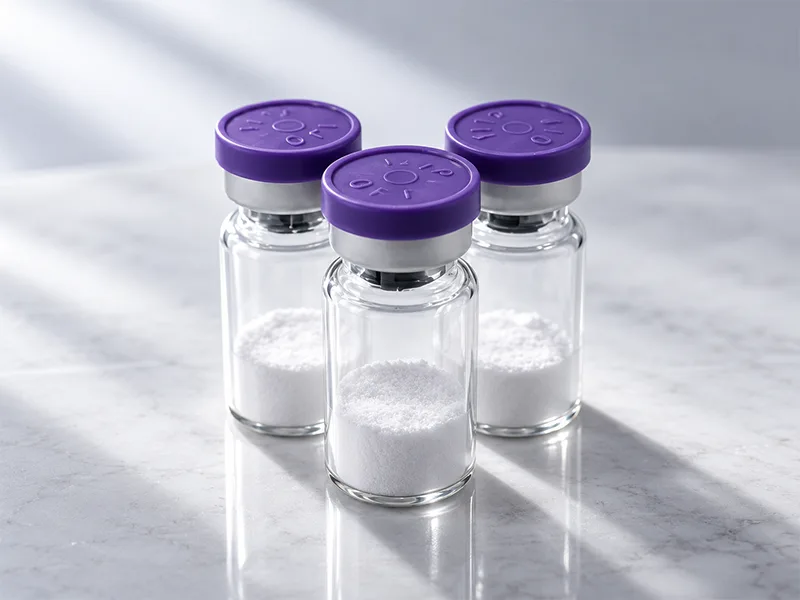
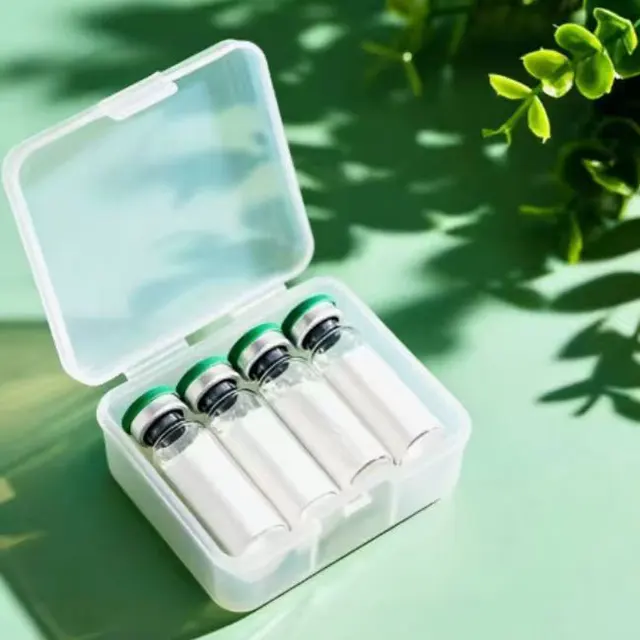
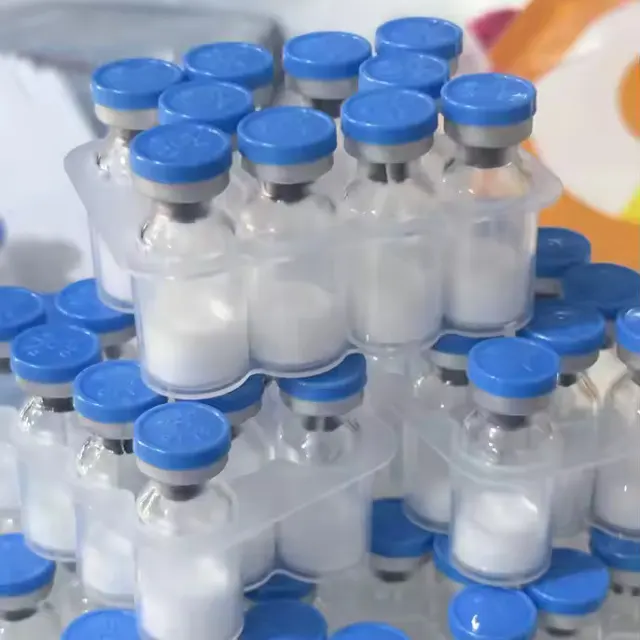
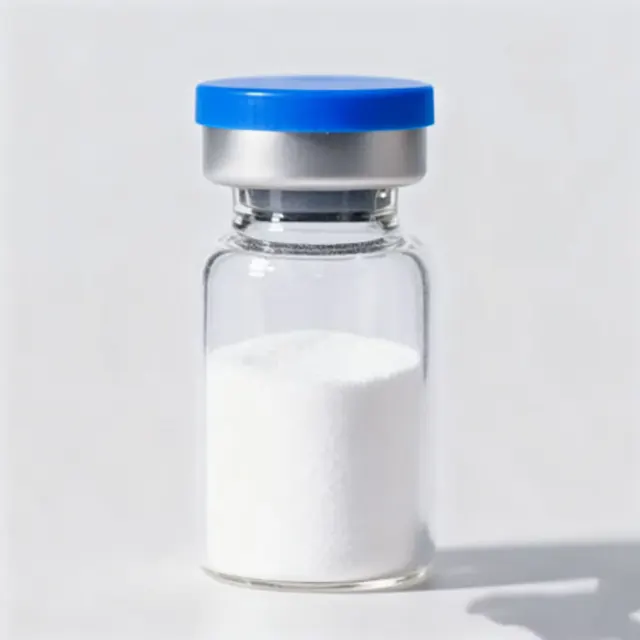
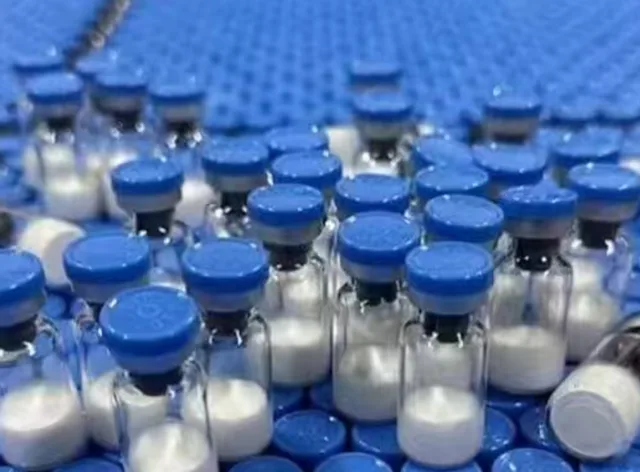
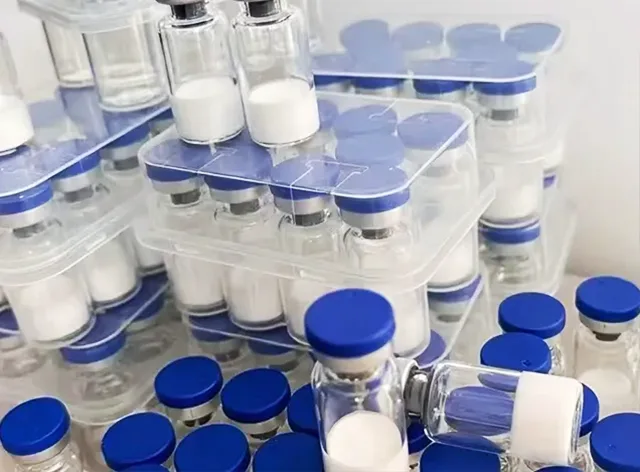
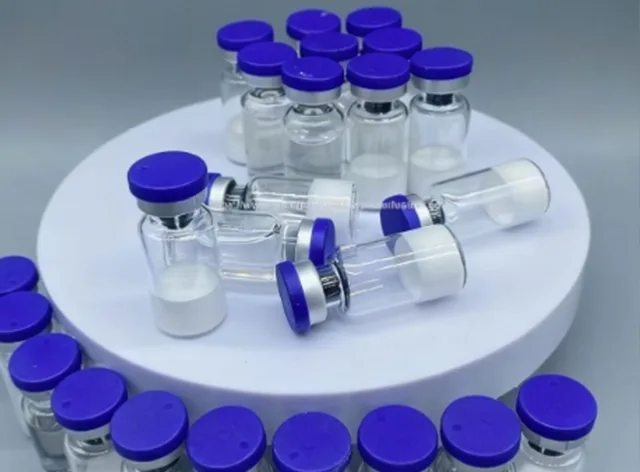
Copper Peptide GHK-Cu Skin Care Raw Material Cosmetic Grade series includes KPV (α-MSH fragment tripeptide), a bioactive peptide specially for skincare. KPV can down-regulate inflammatory factors, soothe redness and stinging, reduce skin stress response, help repair skin barrier and relieve skin sensitivity. It has great compatibility and can be added into serums, repair lotions, masks and many other cosmetic formulations.
Copper Peptide GHK-Cu Skin Care Raw Material Cosmetic Grade is suitable for developing skincare formulations focused on skin conditioning, barrier care, and improving the appearance of stressed skin. GHK-Cu is a copper-binding tripeptide valued in cosmetic ingredient development for its role in skin-conditioning formulations. It offers skincare brands an ingredient option for creating products designed for sensitive-feeling skin, daily skin maintenance, and post-exposure care.
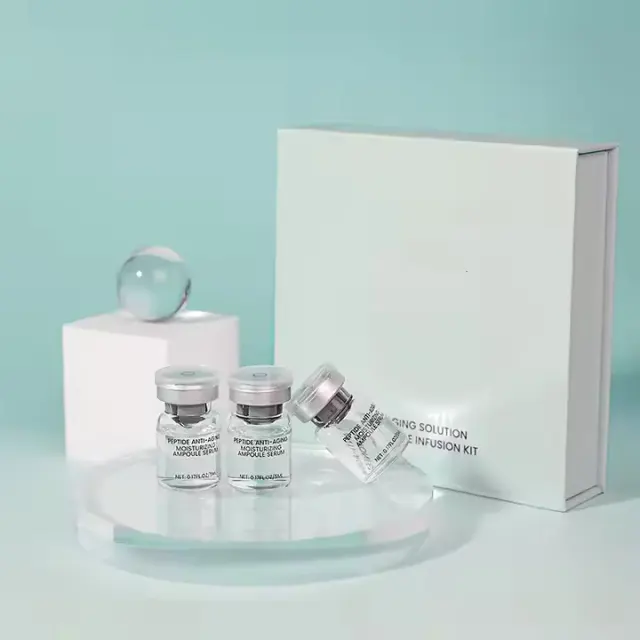
This ingredient can be considered for a range of cosmetic product concepts, including soothing serums, repair creams, barrier-care masks, restorative toners, ampoules, and after-sun skincare. Its versatility allows formulators to incorporate copper peptide into different product formats according to the intended texture, application method, and overall formulation goals. For professional skincare brands, it also provides an option for developing coordinated product lines around skin conditioning and barrier care.
GHK-Cu is commonly handled in aqueous formulation systems, making its solubility and compatibility important considerations during product development. When supported by the ingredient's actual technical specifications, its water-based formulation potential can help formulators explore serum, toner, essence, and other water-containing product formats. The final formulation should account for the recommended use level, pH range, processing conditions, and compatibility with other ingredients.
Copper peptide can be incorporated into broader skincare formulation concepts alongside selected moisturizing, soothing, and skin-conditioning ingredients. This creates opportunities to develop multi-functional products that combine hydration support with a skin-conditioning focus. However, compatibility should be established through formulation testing, particularly when combining GHK-Cu with ingredients that may affect copper complex stability or peptide performance.
For brands developing gentle skincare ranges, GHK-Cu can be explored as part of formulations intended to maintain skin condition and improve the appearance of dry or stressed skin. Potential product concepts include daily barrier-care serums, moisturizing repair creams, after-sun products, and leave-on masks. Finished-product tolerability and suitability for sensitive skin should be verified through appropriate testing rather than inferred from the raw ingredient alone.
With growing interest in peptide-based skincare, Copper Peptide GHK-Cu Skin Care Raw Material Cosmetic Grade gives cosmetic formulators another ingredient option for building differentiated product concepts. From lightweight daily serums to richer creams and intensive moisturizing masks, it can support the development of products with a clear skin-conditioning focus. Ingredient specifications, quality documentation, and formulation trials help manufacturers determine how best to incorporate it into their product portfolio.
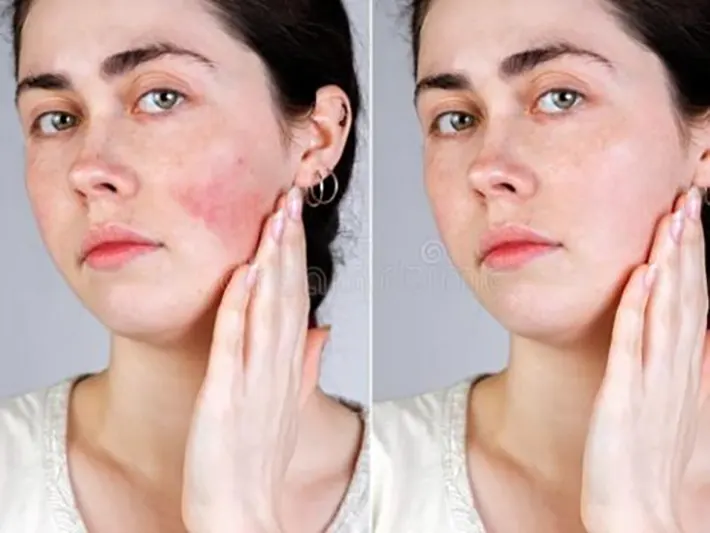
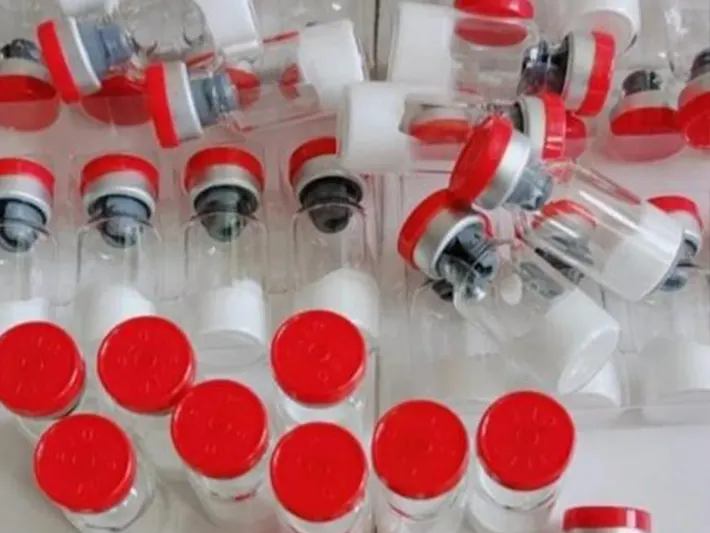
GHK-Cu can be considered for a variety of cosmetic formulations, including facial serums, moisturizing creams, toners, essences, and barrier-care masks. The final application depends on the ingredient specifications and the formulation requirements.
GHK-Cu is commonly explored for aqueous skincare formulations. Formulators should confirm the raw material's solubility specifications and consider pH, processing conditions, and the compatibility of other ingredients during development.
Yes, GHK-Cu can be incorporated into multi-ingredient skincare concepts. However, compatibility varies by formulation. Ingredients that affect copper complex stability or peptide integrity should be assessed carefully through formulation testing.
It can be considered for skin-conditioning formulations designed for sensitive-skin product lines. Finished-product safety, tolerability, and suitability for sensitive skin should be established through appropriate testing.
We recommend checking the ingredient identity, purity or assay information, appearance, solubility, storage conditions, shelf life, and available Certificate of Analysis (COA) and Safety Data Sheet (SDS). These details help confirm whether the material meets your formulation and procurement requirements.
GHK-Cu may be explored in both serum and cream formulations, provided the ingredient is compatible with the selected formulation system. The recommended incorporation method, use level, and processing conditions should follow the supplier's technical guidance and be verified during product development.
Storage requirements depend on the specific raw material and its stability data. Follow the supplier's product documentation for temperature, light exposure, moisture protection, and shelf-life conditions, and keep the material properly sealed during storage.
JinBei can provide available product documentation, such as a COA and SDS, subject to the documentation available for the specific product. Buyers can share their required specifications and intended cosmetic application when requesting a quotation.
Address
No. 1599, Pingzhuang West Road, Fengxian District, Shanghai City, China
Tel