English


Laboratory work depends on starting materials that behave predictably. Research Peptides and Biochemicals form the backbone of modern assay development, receptor pharmacology, cell-signaling studies, and analytical method validation, and the quality of those materials determines whether a dataset holds up under scrutiny. JinBei supplies research-grade peptides and biochemical reagents with documented identity, verified purity, and full batch traceability, so laboratories can move from specification to experiment without second-guessing what is in the vial.
Research peptides are short amino acid chains — typically two to sixty residues — produced by solid-phase peptide synthesis and purified by preparative high-performance liquid chromatography. They are used to probe receptor binding, enzyme kinetics, signal transduction, immune modulation, and cellular differentiation. Biochemicals in this context include buffers, salts, solvents, enzyme substrates, protease inhibitors, chelators, reducing agents, and cofactors that support those peptide-based experiments.
Both categories share a common requirement: the material must match the identity stated on the certificate of analysis, and it must be free of contaminants that could confound a result. A peptide with 85 percent purity may be adequate for a screening assay but unsuitable for a binding study where trace truncation products compete for the same receptor. JinBei assigns a purity grade to every lot and publishes the chromatographic data that supports it.
All JinBei peptides and biochemicals are supplied strictly for laboratory research and development. They are not drugs, cosmetics, food additives, or diagnostic reagents, and they are not intended for human or veterinary administration. Each label, batch record, and certificate of analysis carries the research-use-only designation, which allows institutional review boards and safety officers to verify compliance during inspection.
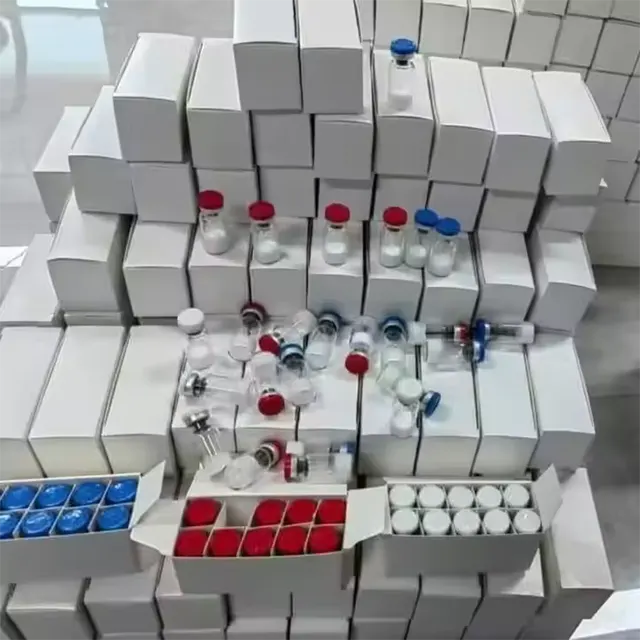
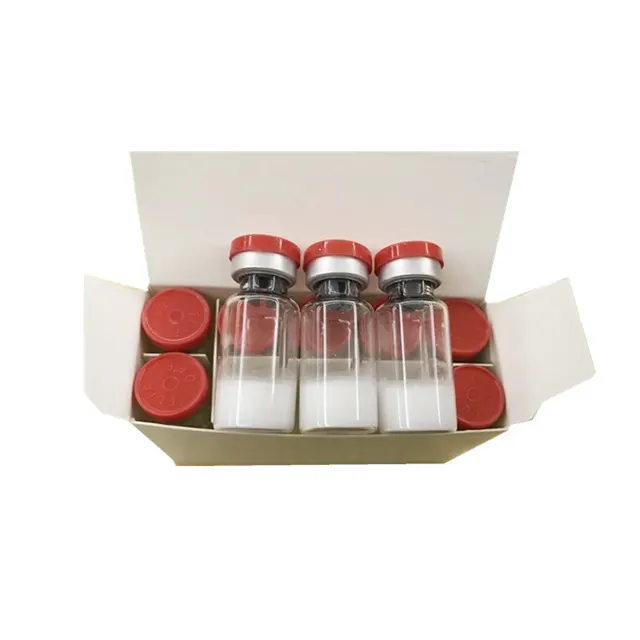
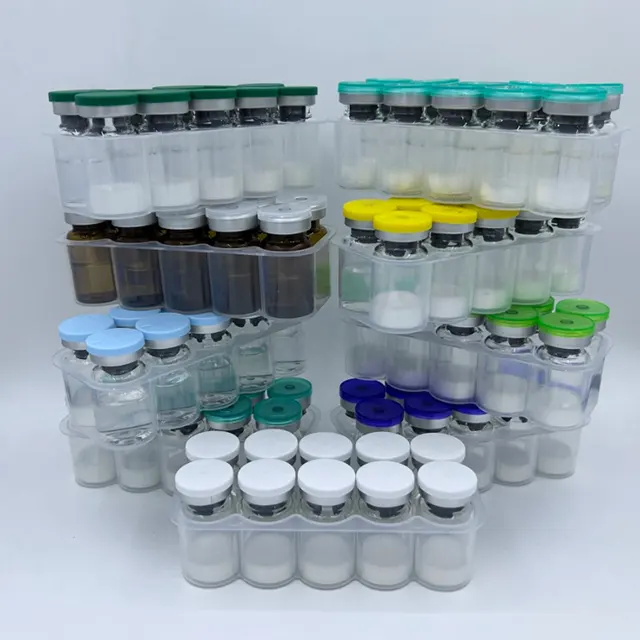
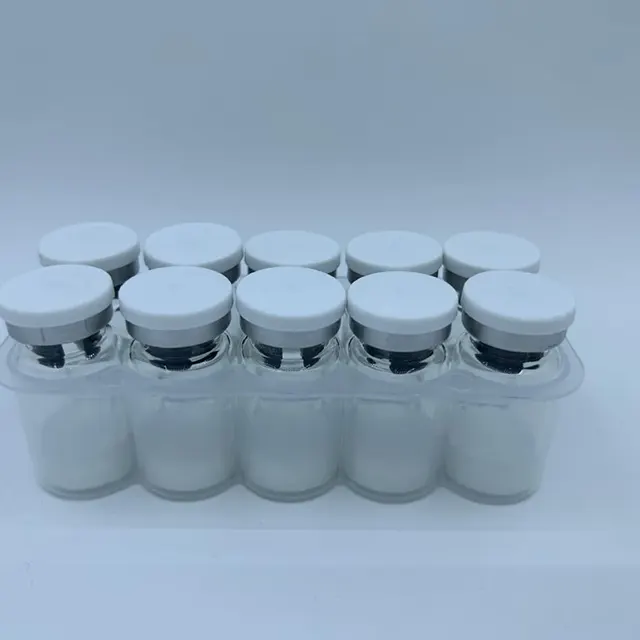
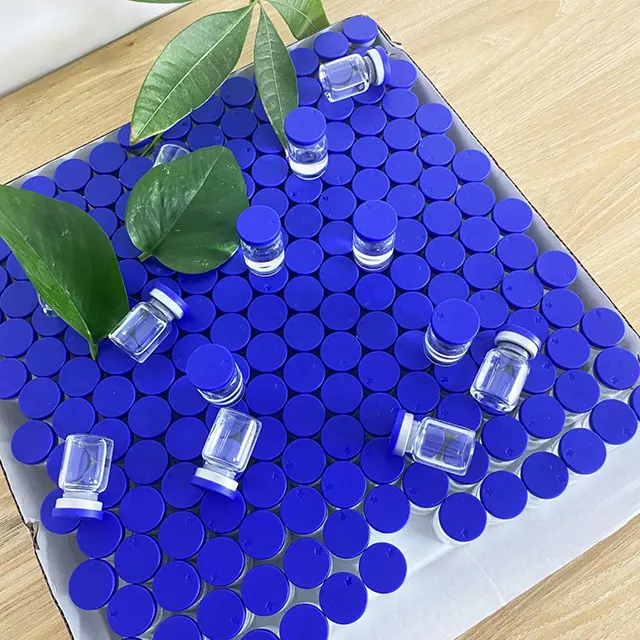
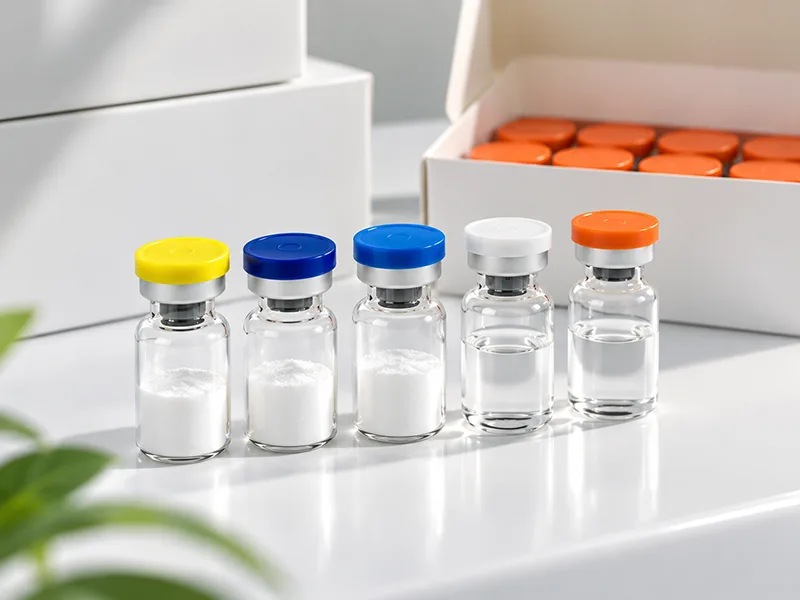
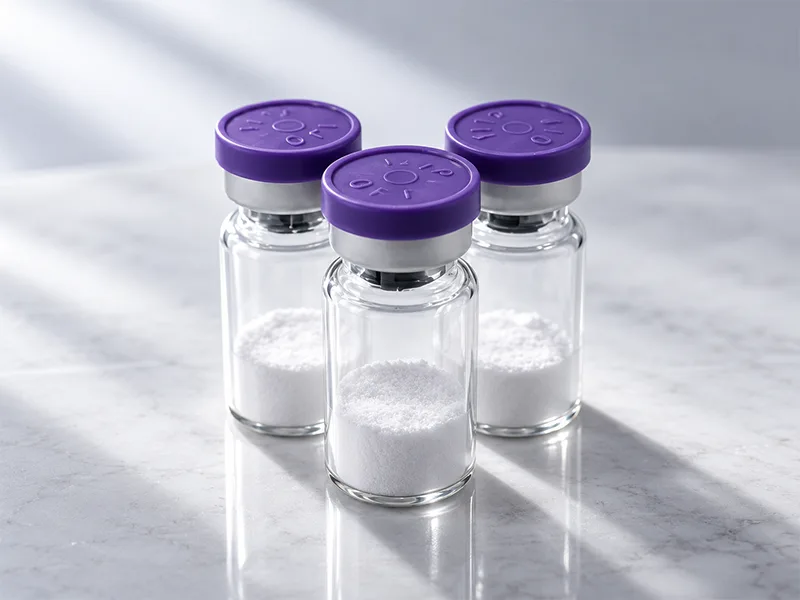
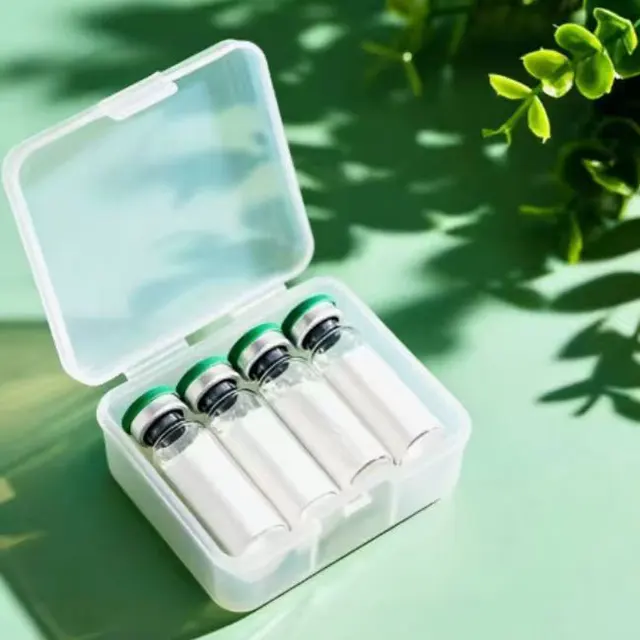
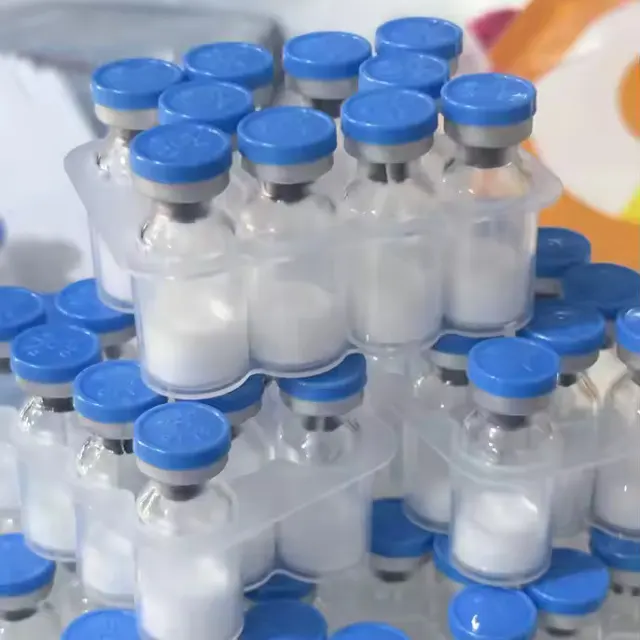
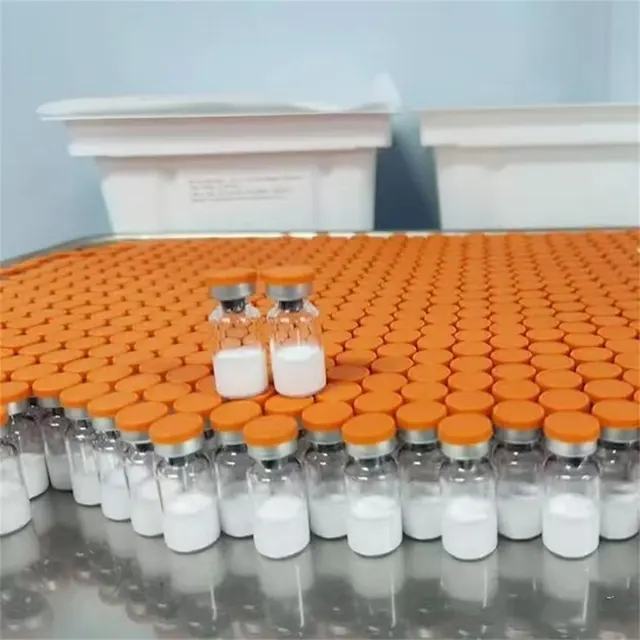
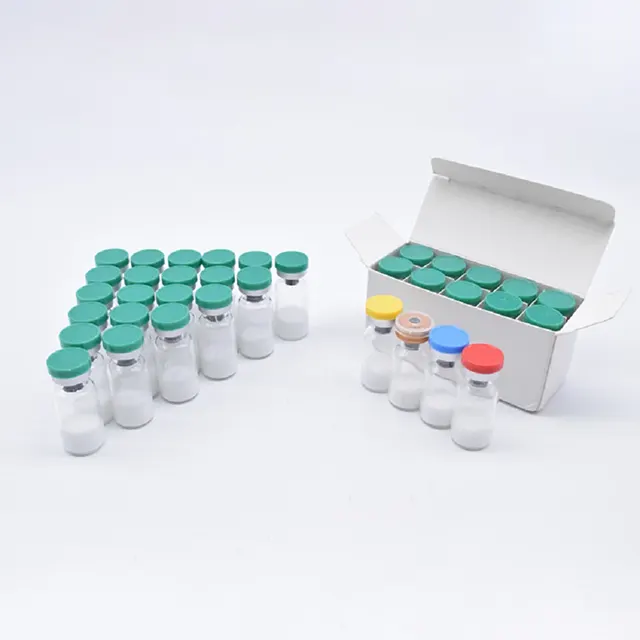
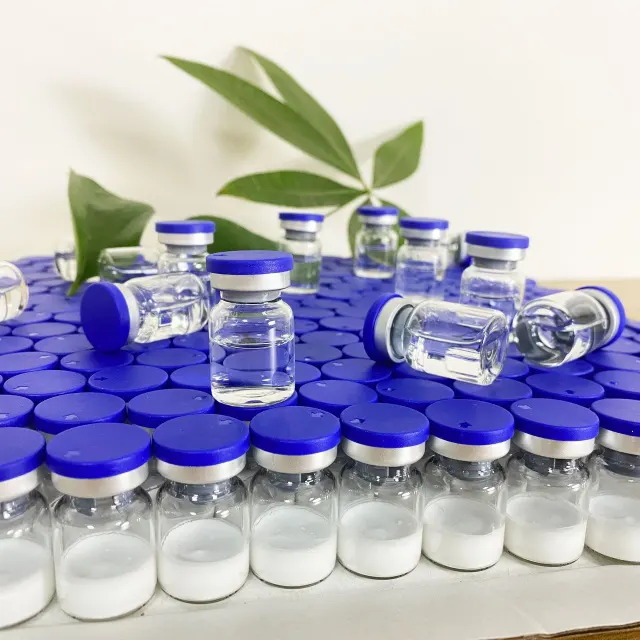
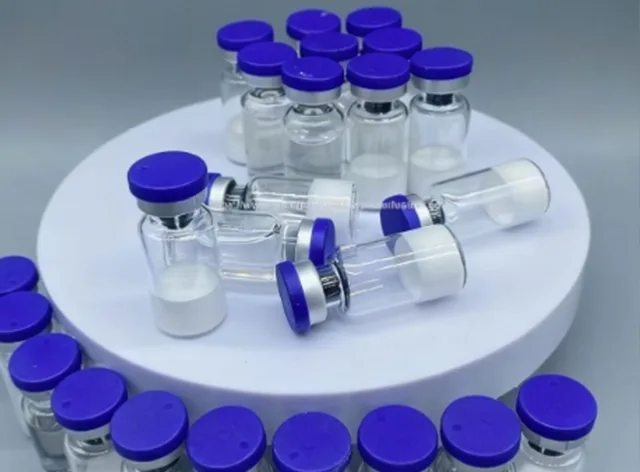
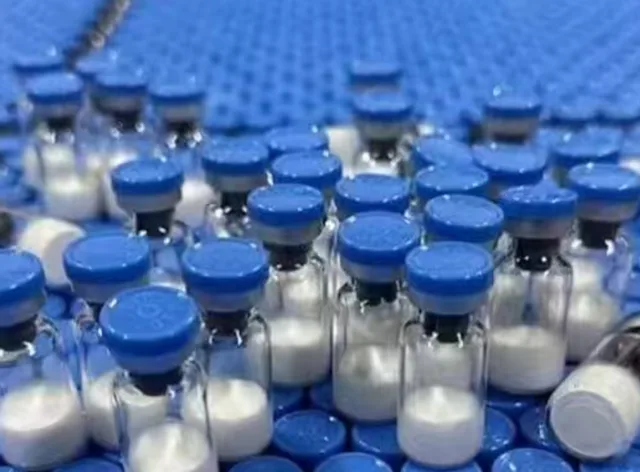
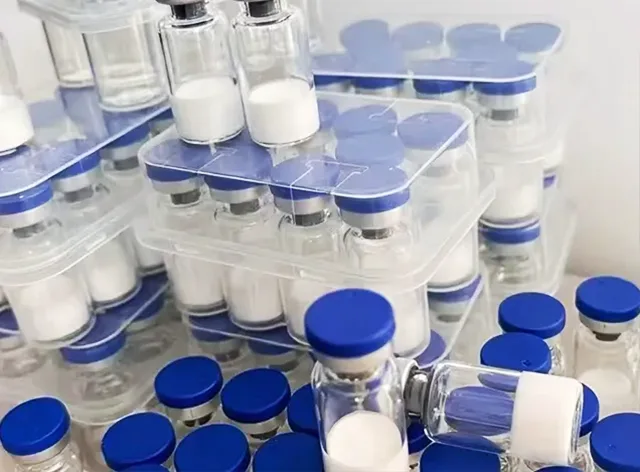
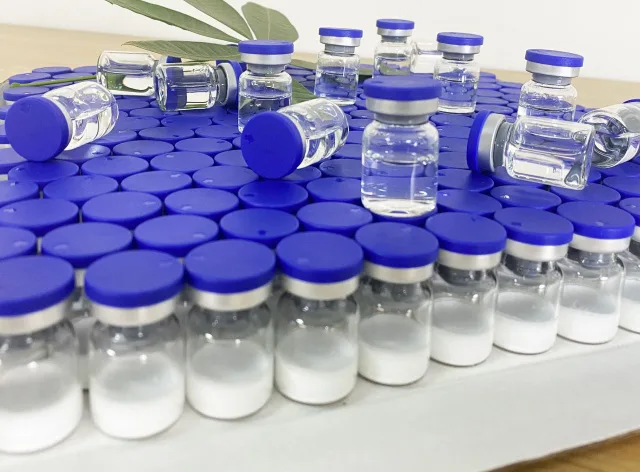
JinBei ships peptides in amber glass vials sealed with butyl rubber stoppers and flip-off aluminum caps. Vials are labeled with the catalogue number, lot number, fill mass, purity, storage condition, and the research-use-only statement. Secondary packaging uses a foil barrier pouch with desiccant, and the outer carton carries a temperature indicator for cold-chain consignments.
<||DSML|| parameter name="file_contents" placeholder="placeholder">Certificate of analysis, MSDS, batch record summary| Parameter | Standard Configuration | Options Available |
|---|---|---|
| Vial size | 2 mL, 5 mL, 10 mL amber glass | Custom fill volumes on request |
| Fill mass | 1 mg, 2 mg, 5 mg, 10 mg, 50 mg | Bulk quantities from 100 mg |
| Seal | Butyl stopper, aluminum flip-off cap | Serum-style crimp for automation |
| Secondary packaging | Foil pouch with desiccant | Multi-vial kit boxes |
| Documentation | Additional analytical data on request | |
| Shipping temperature | Ambient for lyophilized powder | Gel pack or dry ice for cold-chain |
| Dispatch window | 1 – 3 business days from stock | Scheduled release for programme orders |
| Custom synthesis lead time | 10 – 20 business days | Dependent on sequence length and purity grade |
For programme-level procurement, JinBei can reserve production capacity across multiple lots drawn from a single synthesis campaign, which reduces lot-to-lot variability for longitudinal studies. Reserved inventory is held at the warehouse under the same storage conditions and released against a scheduled call-off.
Yes, JinBei supplies acetate, trifluoroacetate, and free base forms as separate catalogue entries, and custom counterion exchange is available for bulk orders, with the final counterion content measured by ion chromatography and reported on the certificate of analysis.
Purity describes the proportion of the target peak relative to all chromatographic peaks, while peptide content describes the mass of actual peptide relative to total vial mass after accounting for counterions, water, and residual salts, so a vial labeled 5 mg at 80 percent peptide content contains approximately 4 mg of net peptide.
Lyophilized peptides are shipped at ambient temperature because the dry powder is stable during transit, but on arrival the vial should be inspected for damage, then stored at -20 degrees Celsius in a desiccator and allowed to equilibrate to room temperature before opening to prevent condensation on the powder.
These residues are sensitive to oxidation and photodegradation, so handle the material under subdued light, use amber vials, avoid prolonged exposure to air, and consider adding a low concentration of a reducing agent such as dithiothreitol to aqueous buffers where the assay chemistry permits.
Cell culture grade reagents in the JinBei range are tested for sterility, endotoxin, and cytotoxicity where applicable, and the grade designation on the label indicates the analytical limits met, so confirm the grade matches the application before use in sensitive culture systems.
Consignments requiring cold chain are packed with gel packs or dry ice according to the required temperature range, monitored with a temperature indicator inside the carton, and dispatched with a tracking reference so that the receiving laboratory can document the transit condition on arrival.
Yes, programme orders drawn from a single synthesis campaign can be reserved and released in scheduled call-offs, which keeps the lot number consistent across study phases and reduces the variability introduced when different production batches are used.